Song Meaning
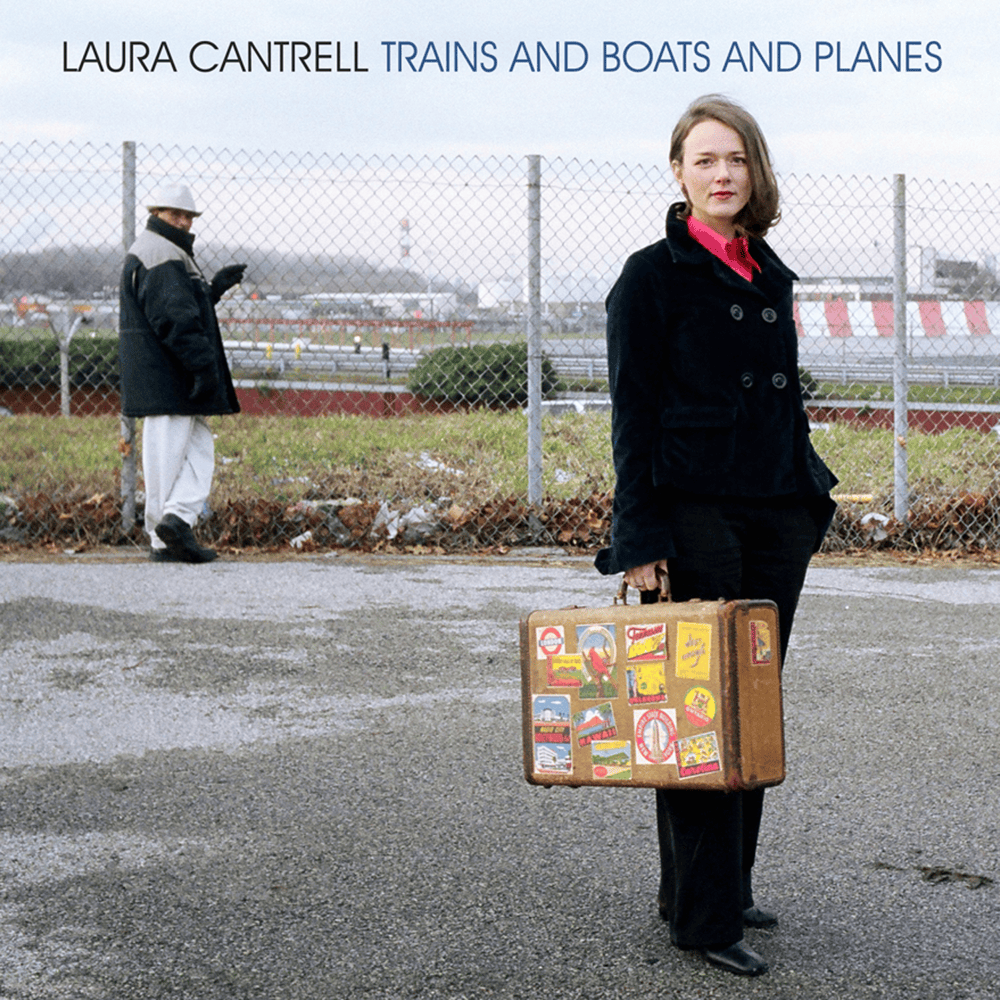
Laura Cantrell's "Trains and Boats and Planes" isn't just a wistful ballad; it's a masterclass in melancholic longing, dissecting the raw ache of separation with surgical precision. The titular modes of transport, typically symbols of freedom and adventure, are rendered as cruel reminders of absence. They become the instruments of heartbreak, carrying a loved one away to "another part of the world." The opening lines immediately establish this sense of exclusion: "Trains and boats and planes are passing by/They mean a trip to Paris or Rome/For someone else, but not for me." This isn't wanderlust; it's the quiet devastation of being left behind. The repetition of "away from me" underscores the profound sense of personal loss.
Cantrell doesn't wallow in self-pity, but rather explores the psychological nuances of hope and denial. The lyrics hint at a promise of return: "You said that you would return again." This promise fuels the narrator's unwavering vigil. She's caught in a limbo of waiting, clinging to the hope that her prayers can "cross the sea" and somehow compel the return of her beloved. This devotion, however, borders on obsessive, highlighting the potential for heartbreak when expectations are not met. The act of watching trains, boats, and planes transforms into a ritualistic act of supplication, a desperate attempt to control fate through sheer force of will.
The song's brilliance lies in its simplicity. Cantrell avoids grandiose pronouncements, opting instead for a quiet, almost conversational tone. This understated approach amplifies the emotional impact, allowing the listener to fully inhabit the narrator's fragile emotional state. "Trains and Boats and Planes" serves as a poignant meditation on the complexities of love, distance, and the enduring power of hope, even in the face of overwhelming uncertainty. It's a song about the fine line between faith and delusion, and the enduring human need to believe in the possibility of reunion.
 View Artist