Song Meaning
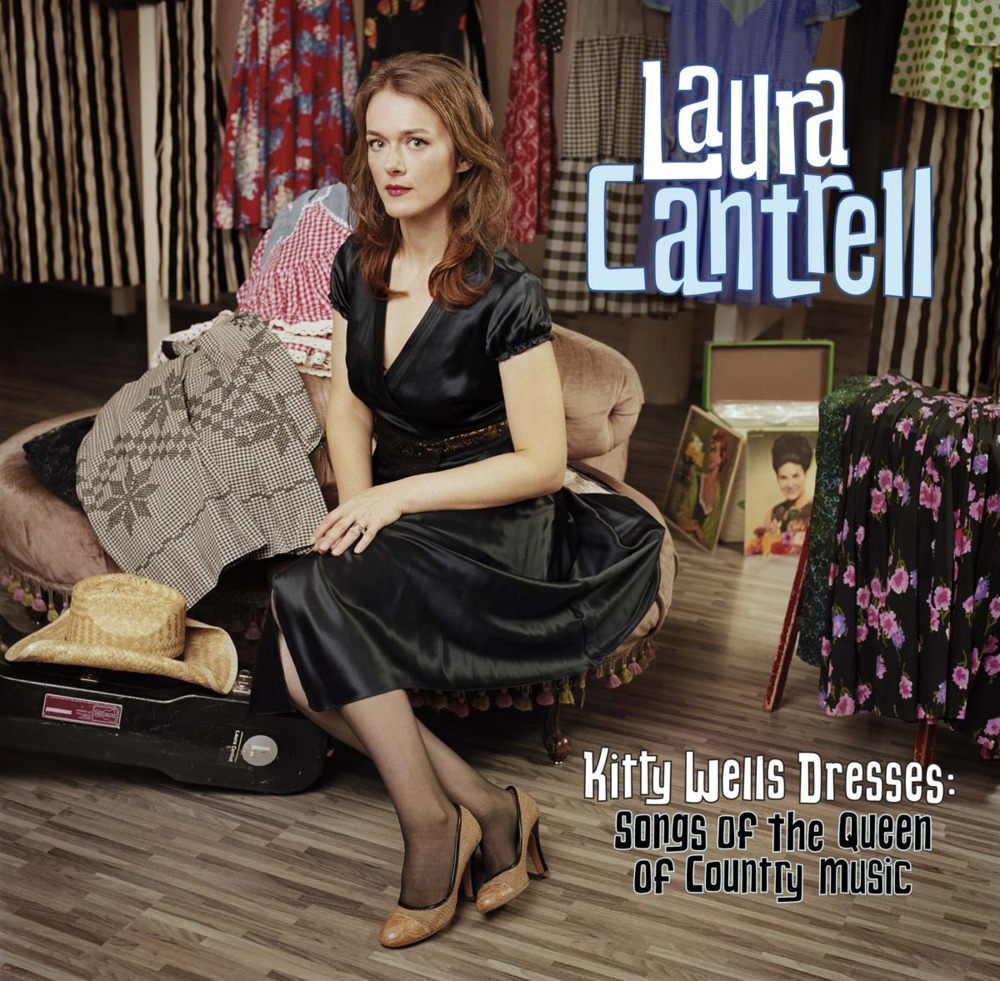
Laura Cantrell's "Kitty Wells Dresses" isn't just a tribute to the Queen of Country Music; it's a nuanced exploration of feminine identity, aspiration, and the quiet power of performance. The song's central metaphor – Kitty Wells' modest gingham dresses as "Robes of the Queen" – elevates the everyday into something regal. These weren't garments of silk or satin, but rather symbols of grace, talent, and the ability to command attention, transforming humble origins into a form of royalty accessible to every girl. The lyrics subtly suggest that true power lies not in material wealth, but in the ability to connect with an audience and leave them "standing" in awe. The song subtly weaves in the psychological impact of fashion and self-presentation.
Cantrell extends this concept beyond Kitty Wells, name-checking Martha Carson, Mother Maybelle Carter, June Carter Cash, and the Anita Carter. These women, all pioneering figures in country music, become part of a lineage, united by their talent and the visual language of their performance. The "petticoats swaying" become a visual shorthand for confidence and presence, a way of taking up space in a male-dominated world. The image of the "little sewing room" in East Nashville adds another layer, grounding the dream in the reality of labor and craft. The Singer Featherweight humming away, paired with Kitty Wells' song "Making Believe," creates a potent image of artistic creation and the power of imagination.
The final verse shifts to a "modern day woman" in "black gabardine," a stark contrast to the gingham and ribbon. This sartorial choice – high heels and a handbag replacing the flowing dresses – is presented not as a rejection of the past, but as another form of "Robes of the Queen." Cantrell seems to argue that the essence of feminine strength and artistry transcends specific styles. Whether in a simple country dress or a sophisticated modern outfit, the ability to captivate and inspire remains the true mark of royalty. Ultimately, "Kitty Wells Dresses" is about the enduring legacy of female artists and the diverse ways they claim their power and influence, transforming the ordinary into the extraordinary.
 View Artist