Song Meaning
The narrator is desperately trying to hold onto a relationship that's already over, or perhaps never truly existed in the way they perceived it. The repeated plea, "No me digas que te vas" (Don't tell me you're leaving), sets a tone of denial and anguish, especially when immediately followed by the contradictory "Y no te has ido" (And you haven't left) and "Sin embargo estás conmigo" (Nevertheless, you are with me). This suggests a profound disconnect between the narrator's internal reality and the external situation, a desperate clinging to presence even as the words of departure are spoken.
The core tension lies in the narrator's refusal to accept the finality of the separation, even when the other person is articulating it. The lyrics reveal a desire to inflict pain in return, "Solo quieres lastimar" (You only want to hurt), and to reclaim what was once theirs, "Tu cariño que fue mío" (Your affection that was mine). There's a bitter accusation that the other person is mocking them, "A burlarte de lo mío" (To mock what is mine), implying a history of manipulation or a cruel game being played.
The most striking aspect is the narrator's defiant assertion of their own irreplaceable value. They insist the other person will never forget what they gave, "Nunca jamás / Has de olvidar / Lo que hice yo contigo" (Never ever / Will you forget / What I did for you). This escalates into a claim of unique significance: "Porque no crees / Que con otra encontrarás / Lo que yo te he dado a ti" (Because you don't believe / That with another you will find / What I have given to you). The narrator believes they offered something singular and essential, a belief that fuels their resistance to the perceived abandonment.
This lyrical construction works because it taps into the raw, often irrational, emotions of heartbreak and wounded pride. The repetition of the central phrase hammers home the narrator's desperate state, while the defiant claims about their own worth reveal a complex mix of vulnerability and bravado. It's this internal conflict—the struggle between acknowledging loss and asserting one's own irreplaceable value—that makes the narrator's plea so potent and relatable, even in its specific, painful context.
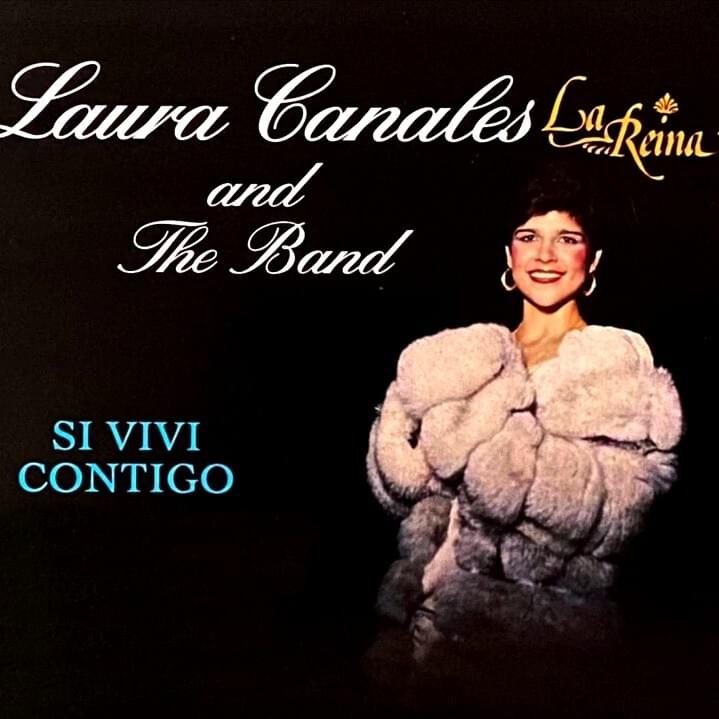
 View Artist