Song Meaning
The narrator confronts accusations of having her heart stolen, asserting a willing surrender: "solita te lo di" (I gave it to you alone). This sets up a dynamic of voluntary devotion, where she not only gave her heart but also her life, highlighting a profound, self-initiated commitment.
The lyrics reveal a complex emotional negotiation, particularly around the partner's departures. The narrator claims independence, stating "libre yo soy" (I am free), and suggests her partner will also be free and available "cuando tú quieras" (whenever you want). However, this freedom is juxtaposed with an intense desire for the partner's presence, where "cuando estás aquí / Si que me das nomás a mí / El cien por ciento" (when you are here / You give only to me / One hundred percent).
The most striking aspect is the narrator's assertion of agency within a seemingly unequal dynamic. She dismisses claims that her partner's absences are wrong, reiterating her own freedom and the partner's conditional availability. Yet, she also confesses the powerful effect of their presence, admitting "me vuelves loca" (you drive me crazy) with kisses and feeling "muy viva" (very alive) because of what they do to her.
This tension between proclaimed independence and the overwhelming emotional impact of the partner's affection creates the song's core. The narrator's ability to articulate both her self-possession and her deep emotional response to the partner's presence makes the devotion feel earned and intensely personal, rather than simply lost.
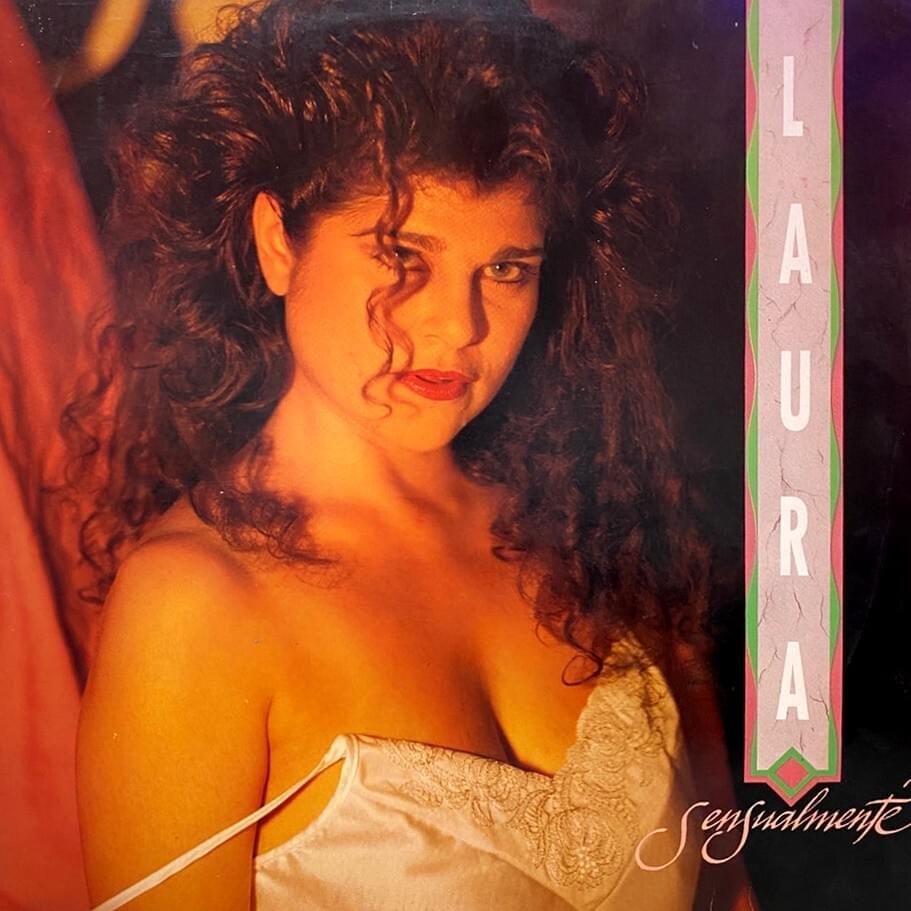
 View Artist