Song Meaning
This song paints a picture of devotion so absolute that material possessions become meaningless. The narrator declares their life's value is entirely contingent on being near their beloved. Possessions, even a shared home, lose all significance if the loved one isn't present, highlighting a radical reordering of priorities where human connection trumps all else. The core message is a profound dependence on another person for one's own sense of worth and happiness.
The central tension lies in the narrator's intense, almost desperate, need for this specific relationship to endure. They acknowledge the potential pain of separation, the fear that "one of us one day shall stand alone." Yet, this fear is met not with despair, but with a childlike faith in the strength of their love, suggesting an almost spiritual conviction that their bond transcends even the possibility of loss.
The lyrics employ a striking contrast between the tangible world of possessions and the intangible realm of love. "Dead things lose all their value" if not accompanied by the loved one, and "happiness is not what one owns." This deliberate juxtaposition elevates love to the ultimate currency, rendering material wealth and even shared living spaces utterly worthless in its absence. The repeated phrase "I dag och resten av mitt liv" (Today and the rest of my life) anchors this fervent declaration in the present and future, emphasizing its unwavering nature.
What makes these lyrics resonate is their raw, unvarnished expression of absolute emotional reliance. The narrator isn't just saying they love someone; they're articulating a state of being where their entire existence is defined by that love. The simple, direct assertions like "My happiness, it is you" and the almost defiant faith in love's strength create a powerful emotional core that feels both deeply personal and universally understood in its yearning for unwavering connection.
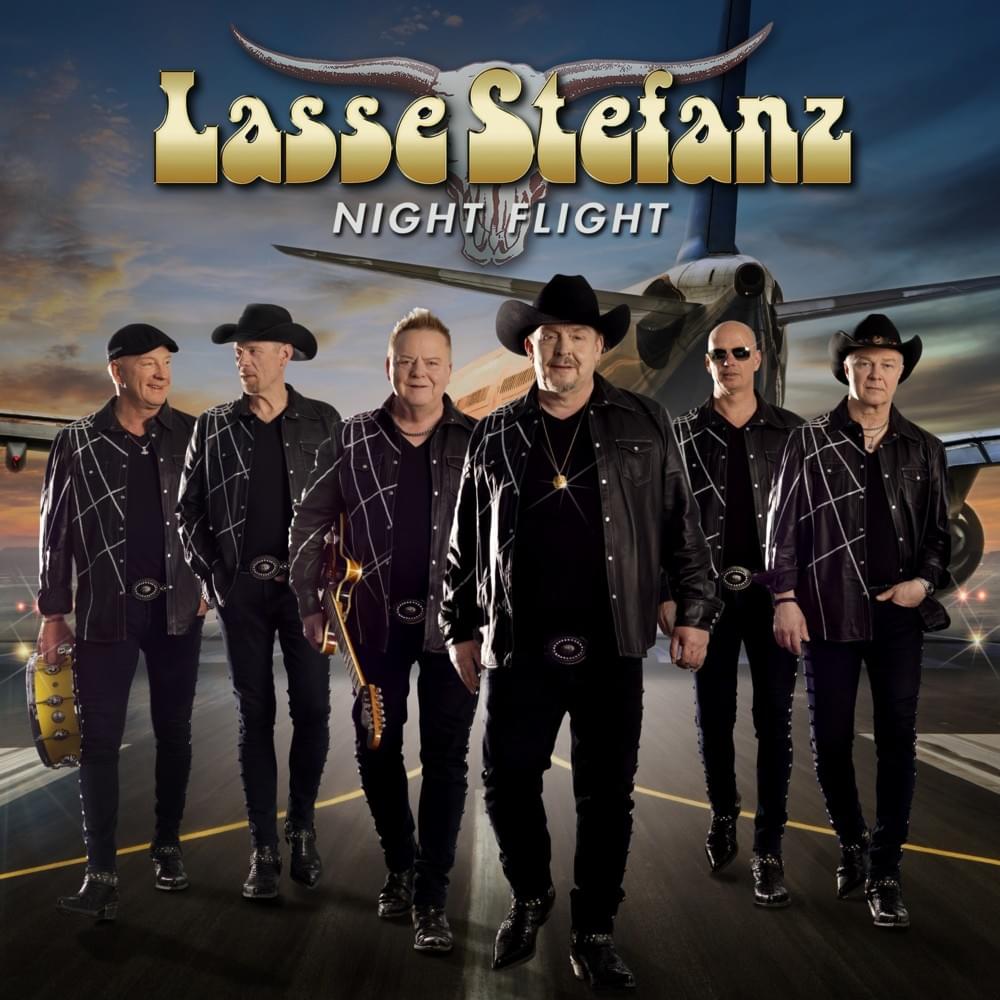
 View Artist