Song Meaning
This song paints a raw picture of regret and the arduous process of seeking redemption after causing deep hurt. The narrator directly confronts their past failings, admitting, "Vet ju att det gjorde ont, lämnade ditt hjärta tomt" (I know it hurt, left your heart empty). The immediate emotional texture is one of heavy remorse, acknowledging a significant disconnect between promises made and actions taken, leading to a profound sense of loss and a "long way back."
The central tension lies in the narrator's desperate attempt to bridge the chasm they created. They recognize the pain inflicted and the resulting emptiness, stating, "Det blev inte riktigt som jag sa" (It didn't quite turn out as I said). The lyrics reveal a period where the other person sought solace elsewhere, "Du ringde vänner, bodde där, när vi två vi va isär" (You called friends, stayed elsewhere, when we two were apart), highlighting the narrator's absence and lack of understanding during a critical time. This realization fuels the narrator's current resolve to mend the relationship, even if it means facing the consequences of their past actions.
The most striking aspect of the craft is the persistent, almost weary, repetition of the phrase "Det är en lång väg tillbaka" (It's a long way back). This refrain isn't just a statement of difficulty; it embodies the immense effort and time required to rebuild trust. The narrator's actions, like "Dörr till dörr gick jag och knacka på" (Door to door I went and knocked), illustrate a tangible, persistent pursuit, contrasting sharply with the passive failure of the past. The lyrics suggest a deep understanding that rebuilding what was broken requires more than just words; it demands sustained action and a willingness to face the possibility of never fully regaining what was lost.
What makes these lyrics hit so hard is their unflinching honesty and the grounded portrayal of a difficult emotional landscape. The narrator doesn't shy away from their culpability, admitting, "var dum som inte alls förstod" (was stupid and didn't understand at all). The acknowledgment of the other person's love, "Att det var ju mej du älskade" (That it was me you loved), adds a layer of poignant regret, emphasizing the value of what was squandered. The song resonates because it captures the universal struggle of trying to repair broken bonds, acknowledging that some wounds leave scars and that true reconciliation is a painstaking, uncertain endeavor.
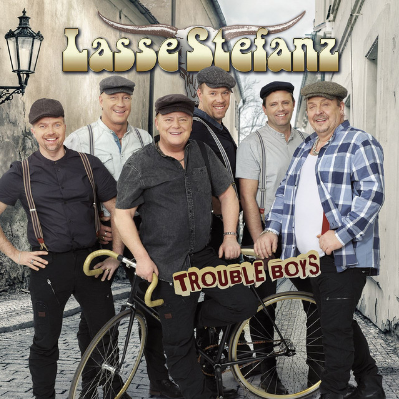
 View Artist