Song Meaning
The narrator lays bare their insecurities, admitting to flaws and imperfections that make them feel far from whole. They acknowledge moments of sadness and struggle, describing long nights and the difficulty of grasping happiness. Despite these admissions, a persistent plea emerges: a desperate need for validation and acceptance from a specific person. The core tension lies in this vulnerability meeting a profound desire for connection.
This yearning crystallizes in a series of direct questions, each a fragile probe into the other person's feelings. "Duger jag" (Am I good enough?) and "är jag en sån som du vill ha" (am I the kind you want?) reveal a deep-seated fear of not measuring up. The repeated "Säg mej" (Tell me) emphasizes the narrator's passive stance, waiting for external confirmation of their worthiness. It’s a raw exposure of self-doubt.
The lyrics then pivot to past hurts, acknowledging that the narrator has caused pain. Phrases like "Jag sårade dej ibland" (I hurt you sometimes) and "Det jag sa var inte alltid sant" (What I said wasn't always true) show a self-awareness of their own failings in the relationship. Yet, there’s a crucial qualifier: "Men menade inget illa med det" (But didn't mean any harm by it), suggesting a disconnect between their actions and intentions, perhaps stemming from a lack of emotional fluency.
The final lines offer a powerful glimpse into the root of this struggle: "Van att alltid vara ensam / Kanske var jag lite rädd / För att plötsligt bli älskad" (Used to always being alone / Maybe I was a little scared / Of suddenly being loved). This suggests that the narrator's imperfections and past mistakes might be defense mechanisms, a way to maintain distance when faced with the overwhelming prospect of genuine affection. The ultimate question, "kan du älska mej ändå" (can you love me anyway), encapsulates the entire emotional arc—a plea for unconditional acceptance despite, or perhaps because of, their brokenness.
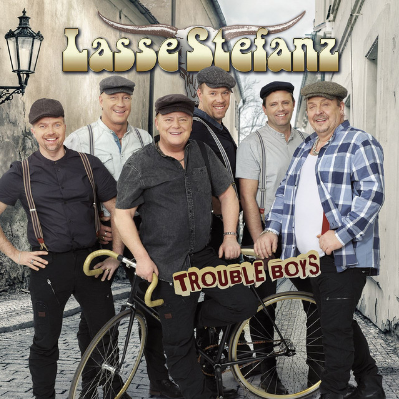
 View Artist