Song Meaning
The lyrics paint a picture of a fractured connection, a plea for communication amidst a shared sense of vulnerability. The opening lines, "Habla" and "Llama," are direct calls to action, urging the other person to speak and to reach out. There's an immediate sense of shared experience, a feeling that "aquí hoy somos más / Víctimas del cielo" – more victims of the sky, suggesting a collective fate or burden they both carry.
The central tension arises from a perceived absence and a questioning of the other's actions or whereabouts. The narrator asks, "¿Por qué no estabas donde ibas que decías?" and "¿Por qué encontraste la razón en la vergüenza?" These lines imply a broken promise or a deviation from a stated path, leading to a feeling of being left alone. Yet, this is immediately contrasted with the idea that they were "Cubriéndonos del mundo entero," suggesting a past or desired state of mutual protection that is now in jeopardy.
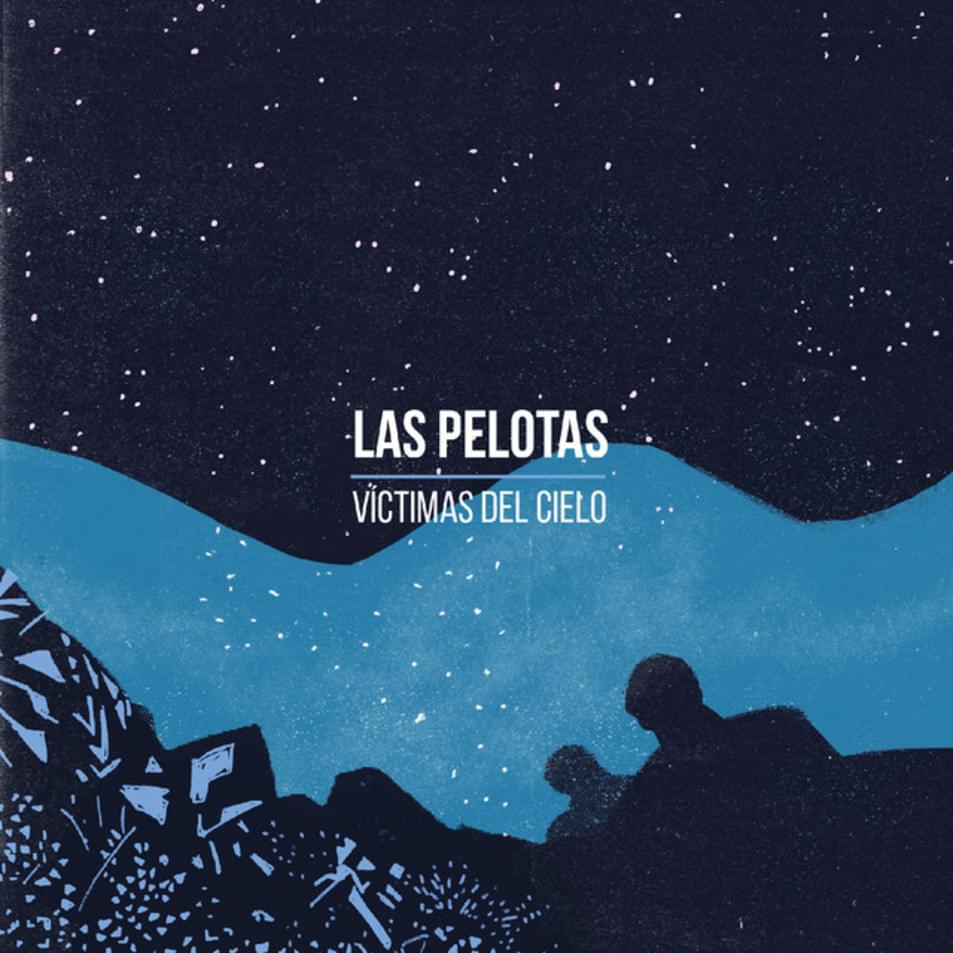
The recurring phrase "Víctimas del cielo" is particularly striking. It's not a common idiom, and its placement suggests a shared, perhaps inescapable, condition. The sky, often a symbol of freedom or vastness, here becomes a source of victimhood, hinting at external forces or a cosmic indifference that impacts their relationship. The repetition of "Cuéntame que aquí hoy somos más" reinforces this idea of a collective struggle, even as the questions about absence create a rift.
Ultimately, the lyrics resonate because they capture the raw ache of wanting to connect when communication has faltered. The simple, urgent commands to "Habla" and "Llama," juxtaposed with the existential weight of being "Víctimas del cielo," create a powerful emotional landscape. It's a plea for understanding and shared presence in the face of an unspecified, yet deeply felt, adversity.
 View Artist