Song Meaning
This song paints a vivid, albeit brief, picture of a domestic scene, starting with a simple observation about four mule drivers heading to the river. The initial repetition of "De los cuatro muleros" establishes a rhythmic, almost chant-like quality, grounding the listener in the everyday activity. The dominant emotional tone is one of casual observation that quickly shifts to personal identification and then a humorous correction.
The central tension arises from a mistaken identity, a moment of playful misdirection. The narrator confidently identifies one of the mule drivers, "el de la mula torda," as her husband, "Es mi marío." This declaration is delivered with a similar repeated phrase, suggesting a sense of certainty or perhaps a practiced claim. However, this certainty is immediately and humorously overturned with "Ay! que me he equivocao'," revealing the man is actually her brother-in-law, "es mi cuñao'." This twist injects a lighthearted, almost teasing, element into the narrative.
The most striking craft element is the use of repetition and the swift, unexpected pivot. The repeated phrases build a sense of familiarity and expectation, making the final correction all the more effective. The shift from "marío" to "cuñao'" is a small but significant change that completely alters the personal connection being claimed, transforming a potential declaration of marital status into a more familial, perhaps even slightly mischievous, observation. The phrase "mamita mía" adds a touch of affectionate endearment, underscoring the casual, familiar tone throughout.
These lyrics are effective because they capture a fleeting, relatable human moment with remarkable economy. The simple narrative, built on repetition and a quick, funny twist, creates an immediate emotional resonance. It’s the kind of small, everyday mistake or playful misstatement that can bring a smile, highlighting the charm in the mundane and the humor found in domestic relationships.
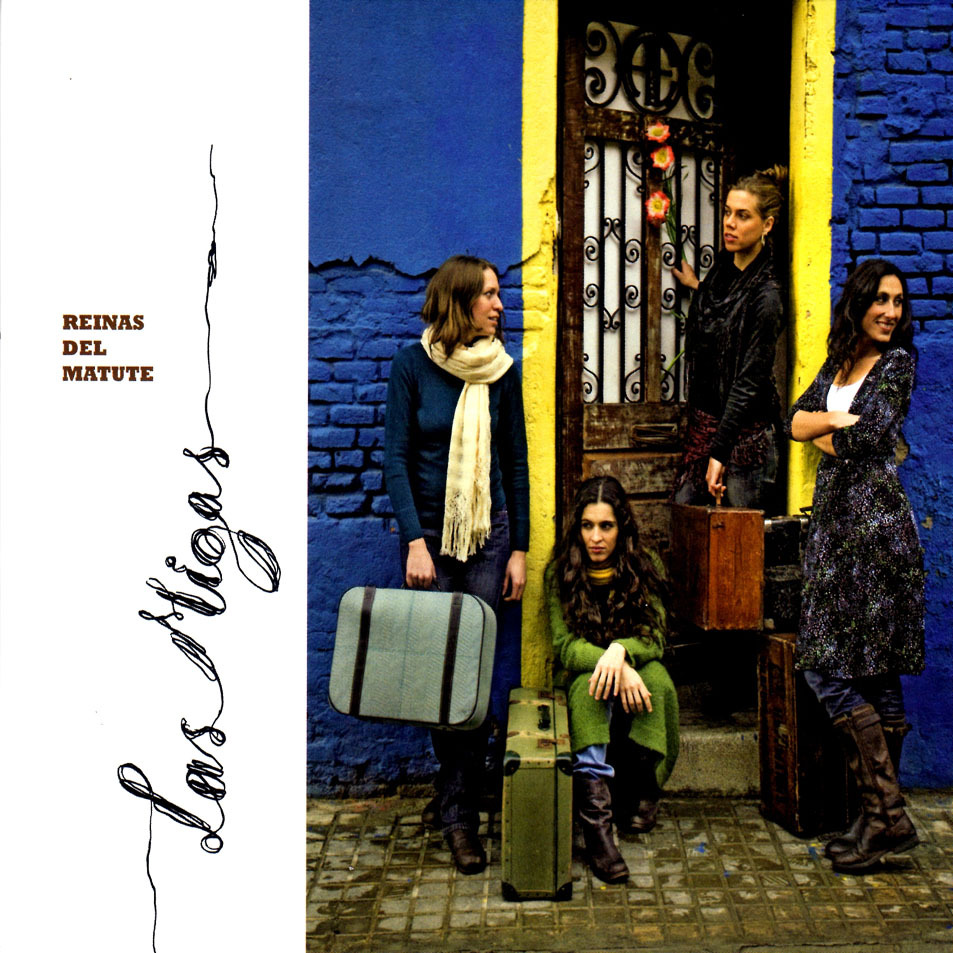
 View Artist