Song Meaning
The narrator is caught in a loop, desperately seeking a return to a past state of being. The repeated plea, "Yo vuelvo por mis ojos" (I return for my eyes) and "Yo vuelvo por mis alas" (I return for my wings), suggests a yearning to reclaim lost perception or freedom. This isn't just about revisiting a memory; it's about a fundamental desire to re-experience existence, to "morirme siendo amanecer" (die being dawn) or "morirme siendo ayer" (die being yesterday), oscillating between a fresh start and a solidified past. The core tension lies in this impossible desire to die into a specific moment, to be eternally fixed in a state that is inherently transient.
The lyrics build a powerful emotional weight through stark contrasts and evocative imagery. The desire to "die being dawn" or "die being yesterday" creates a poignant paradox: dawn is the beginning, yesterday is the end of a cycle. Similarly, wanting to "die being manantial" (die being a spring/source) implies a wish for perpetual renewal, yet it's framed as a death. This yearning for a specific, static form of existence, whether nascent or past, highlights a profound dissatisfaction with the present. The repeated, almost incantatory, structure amplifies this feeling of being trapped.
The most striking element is the repeated, emphatic declaration, "Quiero morirme fuera!" (I want to die outside!). This phrase, appearing like a sudden rupture in the cyclical pleas, suggests an escape from these internal states. "Fuera" (outside) implies a rejection of the confined, self-referential loop of wanting to die into specific moments. It hints at a desire for an uncontained, perhaps even oblivion-like, release that transcends the paradoxes of wanting to be dawn or yesterday. This final, urgent cry offers a glimpse of a different kind of resolution, one that breaks free from the self-imposed conditions of existence.
Ultimately, these lyrics resonate because they tap into a universal feeling of being stuck, of wanting to reclaim something lost, and of grappling with the nature of time and identity. The raw, almost desperate, repetition of desires that are inherently contradictory – to die into a beginning, to die into a past – creates a powerful emotional landscape. The abrupt, forceful "Quiero morirme fuera!" acts as a cathartic release, leaving the listener with a sense of unresolved longing and the profound difficulty of finding peace within the flow of time.
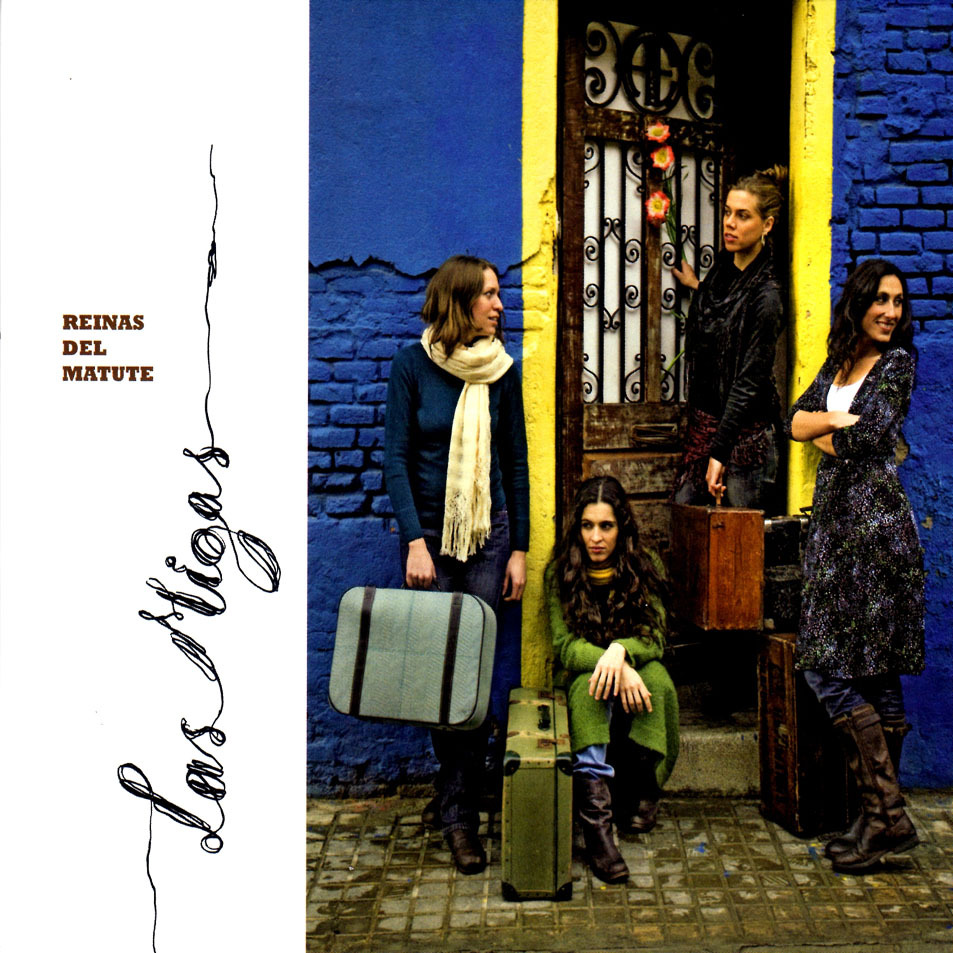
 View Artist