Song Meaning
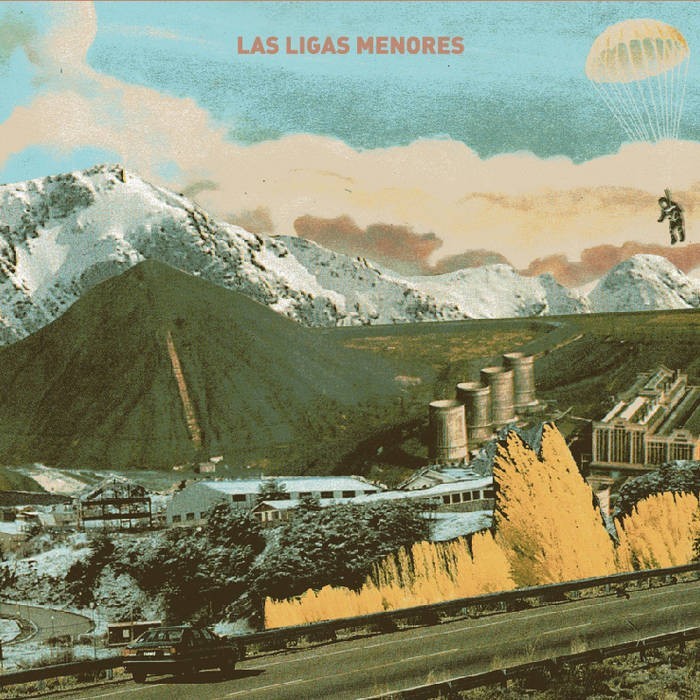
The narrator begins with a simple, almost hesitant question: "Empecé queriéndote / Terminé pensando más de una vez / Si de verdad vos me querés." This immediately sets a tone of doubt and introspection, moving from an initial affection to a deep uncertainty about the other person's feelings. The shift from wanting someone to questioning their affection suggests a growing distance or a realization that the initial feelings might not be reciprocated. The imagery of "campos dorados de menta" (golden mint fields) and the "brillo de sus pelo y sus ojos" (shine of their hair and eyes) offers a fleeting, almost dreamlike memory of a happier time, contrasting sharply with the present emotional landscape.
The core tension arises from the narrator's struggle to reconcile past affection with present doubt. The act of looking at "la inmensidad" (the immensity) and then "vi la realidad" (saw the reality) marks a pivotal moment of clarity, albeit a painful one. This realization leads to a feeling of being lost, "Entre abedules y cipreses / Me perdí un poco y volví a caer," suggesting a cyclical pattern of hope and disappointment. The narrator seems to be caught in a loop, unable to move forward because the fundamental question of mutual affection remains unanswered.
The lyrics powerfully convey a desire for escape from a frustrating conversation. The narrator states, "Prefiero el silencio de la montaña / A escucharte hablar, una y otra vez / De cómo nunca perdés." This isn't just about disliking the other person's bragging; it's a profound rejection of their perspective, which seems to be one of constant victory and perhaps a lack of empathy for the narrator's own struggles. The choice of a silent mountain over the other person's voice highlights a deep weariness and a need for peace that the current dynamic cannot provide.
Ultimately, the effectiveness of these lyrics lies in their raw honesty and relatable emotional arc. The narrator isn't seeking grand pronouncements but a simple truth about their relationship. The shift from hopeful beginnings to a painful reality, culminating in a desire for solitude over conflict, captures the quiet heartbreak of unrequited or uncertain love. The repeated assertion, "No voy a aprender más / No es ser necia, es necesitar recapacitar," frames this withdrawal not as stubbornness, but as a necessary act of self-preservation and emotional recalibration.
 View Artist