Song Meaning
The narrator lays out a case for their genuine nature, emphasizing authenticity and a direct path to the object of their affection. They assert a grounded identity, stating "All I've got is what I've got" and admitting to a past "reckless youth," but framing it as a distinct phase. This self-assessment suggests a desire for acceptance based on who they truly are, not some fabricated persona. The repeated phrase "I came straight to you" acts as a constant refrain, anchoring every verse in this declaration of directness and unwavering intention.
The central tension lies in the contrast between the narrator's perceived journey and the ultimate destination. They admit to thinking they "walked a twisted trail," implying a sense of being lost or taking a circuitous route in life. However, this perception is immediately reframed by the realization that this very path, with all its perceived detours, led them precisely where they intended to be: with the person they're addressing. This creates a powerful sense of destiny or inevitable arrival, despite any past uncertainties.
The lyrics employ simple yet effective imagery to convey this sense of directness and arrival. The comparison to a "moonbeam across the water" in the second chorus is particularly striking. It evokes a sense of ethereal guidance and a clear, unbroken line connecting the narrator to their beloved, cutting through any potential obscurity or distance. This image reinforces the idea that even when the path seemed uncertain, the connection was always present and illuminated.
Ultimately, the effectiveness of these lyrics stems from their earnest confession and the satisfying resolution of perceived wandering. The narrator’s vulnerability in admitting past missteps, coupled with the unwavering assertion of their direct approach, creates a compelling narrative of sincere pursuit. The recurring phrase and the final, luminous imagery coalesce to leave the listener with a feeling of assured devotion and a clear, unadulterated arrival.
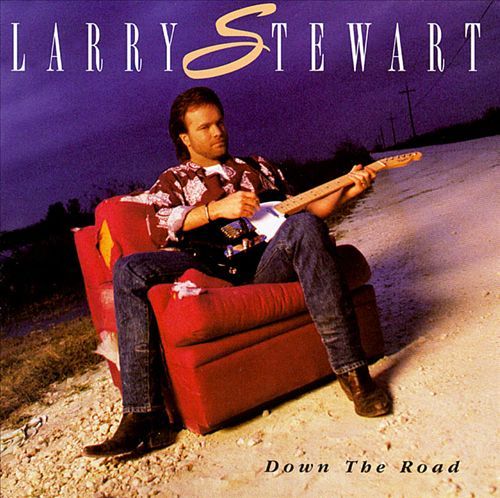
 View Artist