Song Meaning
Larry Norman's "The Same Old Story" isn't just a song; it's a cynical theorem on the predictable heartbreak inherent in the human condition. The track doesn't bother with subtlety, instead opting for a blunt, almost weary assessment of love's cyclical nature. Norman's lyrics paint a picture of a recurring drama, a stage play with rotating casts but an unvarying plot: infatuation, followed by inevitable devastation. The 'lady' becomes a symbol, not of a specific person, but of the idealized object of affection whose beautiful facade masks a deeper, more painful truth. It's a bleak outlook, suggesting that despite different contexts and approaches, the outcome remains tragically consistent. Norman seems to argue that we're all just playing roles in a pre-scripted narrative of romantic disappointment. The 'same old story' reveals itself in the spaces between the lines, a knowing wink to the listener who's been through the emotional wringer before.
What elevates "The Same Old Story" beyond mere romantic fatalism is its psychological undercurrent. The repetition of the phrase 'she's gonna break your heart' functions as a kind of self-fulfilling prophecy, hinting at a deep-seated fear of vulnerability and a potential for self-sabotage. The song explores the defense mechanisms we construct to protect ourselves from emotional pain. The line about love being 'just a state of mind' speaks to a desire to rationalize and intellectualize feelings, to distance oneself from the raw, messy reality of heartbreak. It's a coping mechanism, a way to numb the pain by framing love as something less profound, less impactful than it truly is.
Ultimately, the song meaning of "The Same Old Story" resides in its stark recognition of patterns. Norman isn't necessarily condemning love, but rather dissecting the ways we approach it, often with a pre-programmed expectation of failure. It's an exploration of the human tendency to repeat mistakes, to fall into familiar traps, even when we know the outcome. The genius of the song lies in its ability to tap into a universal experience of romantic disillusionment, forcing us to confront our own vulnerabilities and the stories we tell ourselves about love and loss.
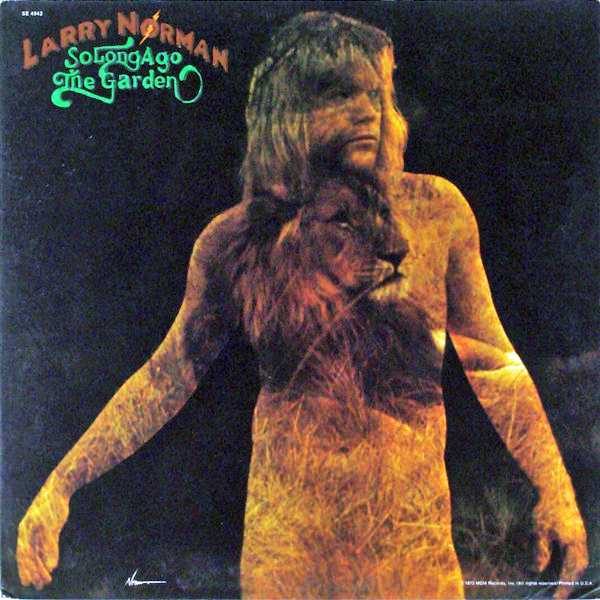
 View Artist