Song Meaning
The lyrics paint a surreal, unsettling picture of someone's return after a period of absence, framed by an almost mythic, yet strangely modern, dread. The initial lines establish a sense of unease, suggesting that the individual was perhaps better off unseen, hinting at a dangerous or transformative experience that has occurred. The narrative then pivots to a bizarre, almost apocalyptic imagery of "ancient gods" waking and creating "carbon copies" from "fabled beds," a scene that feels both fantastical and disturbingly artificial. This is juxtaposed with stark, modern elements like "jet black helicopters" landing in "citadels in Bucharest," creating a disorienting blend of the ancient and the contemporary.
The core tension seems to lie in the nature of this return and the transformation it entails. The narrator admits, "I can't say we saw it coming," highlighting the unexpectedness of her reappearance. While her physical form is restored – "Her eyes and arms returned" – there's a profound disconnect. The most striking detail is her struggle with communication: "she still has trouble speaking / Those long neglected words." This suggests a deep internal damage or alteration, where the ability to articulate her experiences or reconnect with her past self has been severely impaired.
The craft here is in the jarring juxtaposition of imagery and the subtle, yet powerful, focus on linguistic breakdown. The "ancient gods" and "fabled beds" evoke a sense of primal, perhaps even cosmic, forces at play, while the "jet black helicopters" and "Bucharest citadels" ground the scene in a specific, almost Cold War-esque, geopolitical unease. The "shellac surfaces" reflecting lessons add a layer of artificiality and superficiality to whatever knowledge has been gained or imparted. Ultimately, the most poignant element is the "long neglected words," which implies that the inability to speak is not just a physical impediment but a consequence of being silenced or forgotten, a state that has perhaps been exacerbated by the "ancient gods."
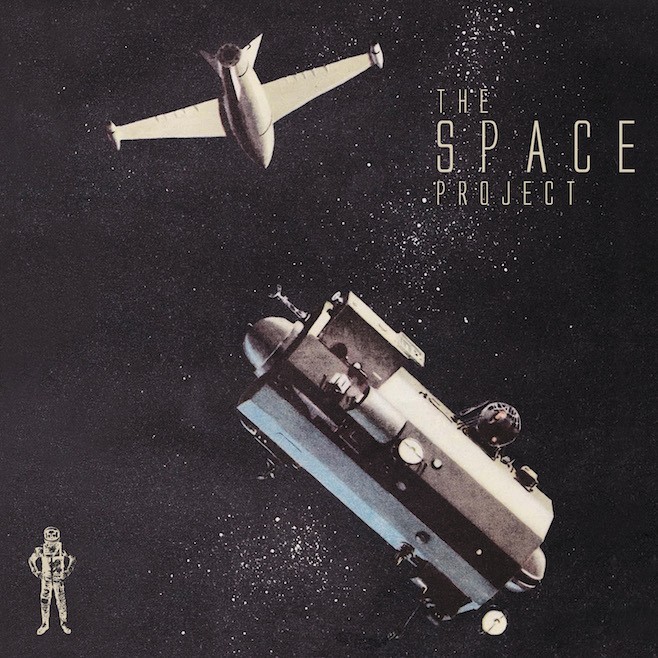
 View Artist