Song Meaning
The lyrics pose a central question: "What child is this?" immediately establishing a scene of quiet wonder. A baby rests on Mary's lap, observed by watchful shepherds and serenaded by angels. This initial image is one of profound peace, yet the repeated questioning hints at a deeper significance yet to be revealed. The contrast between the humble setting and the celestial attention creates an immediate sense of mystery.
The core tension arises from the juxtaposition of the child's seemingly ordinary, even impoverished, state with his extraordinary identity. He lies in a "mean estate" where "ox and ass are feeding," a stark image of humility. Yet, the lyrics declare him "Christ the King," the "babe, the son of Mary" who is also the "King of kings." This dramatic contrast between his lowly circumstances and his divine status is the emotional engine of the piece, urging a recognition of the sacred within the mundane.
The most striking craft element is the direct address and imperative commands that follow the revelation of the child's identity. After establishing who he is, the lyrics shift from questioning to exhortation: "Haste, haste to bring him laud," and "So bring him incense, gold, and myrrh." This direct call to action, urging both "peasant, king" to "own him," transforms the contemplative scene into an urgent invitation to worship and acknowledge his reign. The "silent Word is pleading" suggests a profound, unspoken power at the heart of this humble presentation.
These lyrics resonate because they capture the awe of recognizing the divine in the unexpected. The writing guides the listener from innocent curiosity to a profound understanding of spiritual significance. By grounding the "King of kings" in a manger scene, the lyrics suggest that salvation and ultimate power can be found in the most unassuming places, prompting a heartfelt desire to "loving hearts enthrone him."
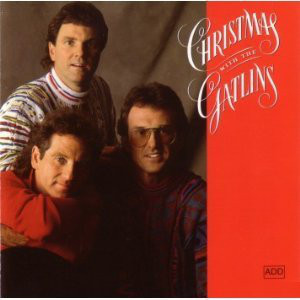
 View Artist