Song Meaning
The lyrics to "Raxtera" immediately plunge into a tense standoff. A shadowy figure, operating in what they perceive as "black night," attempts to approach the speaker with a deceptive "white light." Yet, the speaker is acutely aware of this hidden agenda, issuing a direct, confident warning against any challenge.
At the core of this confrontation is the antagonist's desire to inflict "raxtera" – a term that, in context, suggests a hex, bad luck, or some form of spiritual harm. The speaker, however, is prepared, declaring "Corpo fechado" (a closed body), implying spiritual protection. This defense is reinforced by invoking "Saravá, alfazema," traditional elements used for blessings and cleansing, suggesting a pre-emptive spiritual counter-measure already in play.
The speaker's defiance is cemented through powerful repetition and metaphor. They repeatedly demand directness: "Fala-me / Fala pra mim / Fala de mim," challenging the antagonist to drop the whispers and confront them openly. This demand is coupled with an unshakeable declaration of resilience: "Não sou folha que cai fácil assim," painting a vivid picture of someone rooted and unyielding, impervious to casual defeat.
Ultimately, these lyrics craft a portrait of profound self-possession and spiritual fortitude. The speaker isn't just defending; they're actively asserting dominance, fully "ligada" (aware) that the antagonist is "na contramão" (going the wrong way). The final lines, invoking time and consequence, suggest a confident belief that the antagonist's negative intentions will inevitably boomerang, leaving them to "catar o que te resta" – pick up the pieces of their own making.
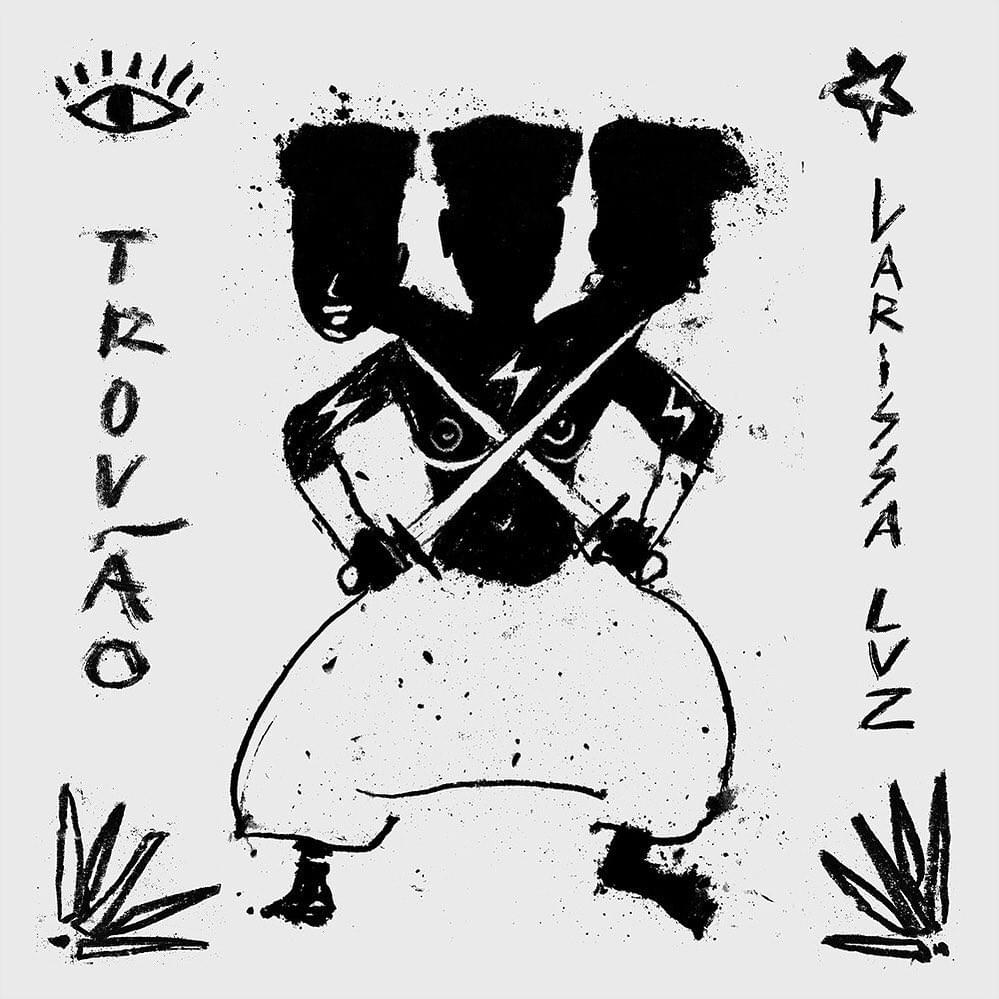
 View Artist