Song Meaning
The lyrics paint a vivid picture of someone stepping into a new chapter, driven by a hopeful yet bittersweet farewell. The opening lines, "Madamada yume wa samenai ne" (My dream still won't wake up), immediately establish a sense of lingering aspiration, a desire for something more that propels the narrator forward. This isn't a simple goodbye; it's a determined stride towards an unknown future, acknowledging the possibility of what lies "Kono michi no mukō" (beyond this road). The dominant emotional tone is one of resolute optimism, tinged with the quiet ache of leaving someone behind.
The central tension arises from the conflict between the need to move on and the lingering attachment to a "yawaraka na egao" (gentle smile). The narrator admits, "Sono yawaraka na egao no tonari ni itaikeredo" (I want to be next to that gentle smile), revealing a deep desire to stay. However, this yearning is overcome by an unshakeable belief that "Kitto kitto kotae wa arukara" (Surely, surely there's an answer), making it impossible to "Akirame kirenai tachi tomarenainda" (I can't give up, I can't stop). This internal push-and-pull fuels the narrative, transforming a potential moment of regret into a powerful impetus for self-discovery.
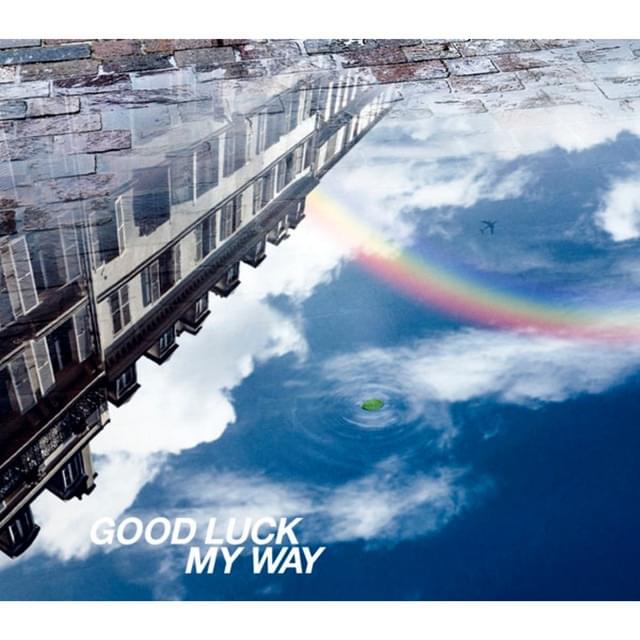
The most striking aspect of the writing is the recurring motif of the "aozora" (blue sky) and the "Oikaze" (tailwind). The "Harewataru aozora ga mabushii" (The clear blue sky is dazzling) isn't just a backdrop; it's an active participant, symbolizing the bright, almost overwhelming promise of the future. This imagery, coupled with the "Oikaze ni aora re" (Caught by the tailwind), creates a sense of being swept along by destiny, a feeling that this new path is not only chosen but also divinely sanctioned. It transforms the act of leaving into an exhilarating, almost inevitable, new beginning.
Ultimately, the effectiveness of these lyrics lies in their ability to capture the universal experience of embarking on a new path while holding onto cherished memories. The repeated phrase "GOOD LUCK MY WAY" acts as both a personal mantra and a hopeful message to the person being left behind. The narrator's declaration, "Furikaerazu ni asu e mukau yo" (I'm heading towards tomorrow without looking back), coupled with the acknowledgment that "Itsuka mata aetara motto umaku tsutae rareru ka na" (If we meet again someday, maybe I can convey it better), grounds the grand narrative of a new journey in a deeply personal and relatable emotional landscape. It’s this blend of bold forward momentum and tender remembrance that makes the song resonate.
 View Artist