Song Meaning
Lara Fabian's "Rio" is less a travelogue and more a vibrant ode to the soul of the iconic Brazilian city. The lyrics, sung in French, paint Rio de Janeiro not as a mere geographical location but as a living, breathing entity, pulsating with life and spiritual resonance. Immediately, the song establishes Rio as 'libre et rebelle,' a city of freedom and rebellion, embodied by those who 'dance and beat to the rhythm of the samba.' This sets the stage for a deeper exploration beyond the postcard imagery. The reference to Ipanema transcends the cliché of 'the girl' – suggesting the neighborhood holds secrets and stories richer than simple beauty. The heart of Rio, as Fabian portrays it, lies in its duality: a concrete jungle where 'the heart is in the water,' and a refuge for boats within a metaphorical forest. This imagery evokes a sense of hidden depths and interconnectedness between nature and urban life. The line 'Rouge est la lumière de sa peau' personifies the city, giving it a fiery, passionate essence.
The chorus elevates Rio to a near-mythical status. 'Ton Pain de Sucre est un oiseau' – Sugarloaf Mountain transforms into a soaring bird, a symbol of freedom and aspiration. The powerful image of 'Jésus lui-même en a quitté sa croix / Il veille en toi les bras ouverts' suggests that even Christ has abandoned his suffering to watch over Rio with open arms. This isn't just religious imagery; it's a statement about Rio's redemptive power, its ability to offer solace and hope. The lyrics then shift to the 'enfants / De tous les sangs,' highlighting Rio's multiculturalism and the resilient spirit of its people. 'Marchent sur les toits' – they walk on the rooftops, defying gravity and limitations. The mention of Guanabara Bay and football ('ballon au pied') acknowledges the city's landmarks and passions, but the line 'Aucun rêve ne peut s'effondrer' reinforces the theme of unwavering hope.
Fabian cleverly inverts traditional seasonal expectations with 'L'hiver est mort / L'été, c'est janvier,' further emphasizing Rio's unique and vibrant energy. The repetition of the chorus reinforces the symbolic importance of Sugarloaf Mountain and the protective presence of Christ. The bridge delves into the Carioca identity, declaring it as Rio's true flag, where each color represents a facet of its faith. 'Vert Tijuca, Bleu nuit bossa, Jaune Copacabana, Blanche et Certi' – these colors evoke specific places and cultural elements within Rio, creating a vivid tapestry of experiences. Ultimately, 'L'eau est la terre / Où tu prends vie' – water is the land where life is born, suggesting that Rio's essence is fluid, adaptable, and ever-renewing. The final invocation, 'Fala do amor' (speak of love), encapsulates the song's core message: Rio is a city defined by love, passion, and an indomitable spirit.
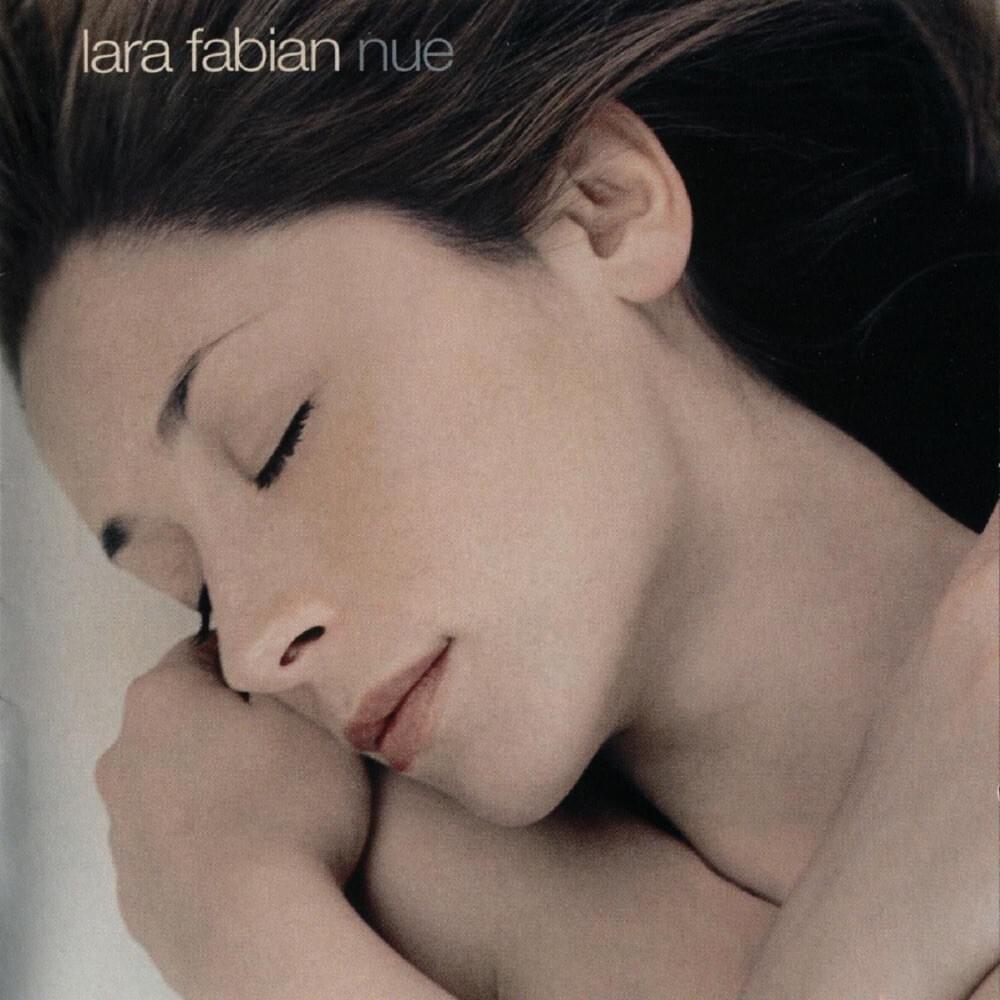
 View Artist