Song Meaning
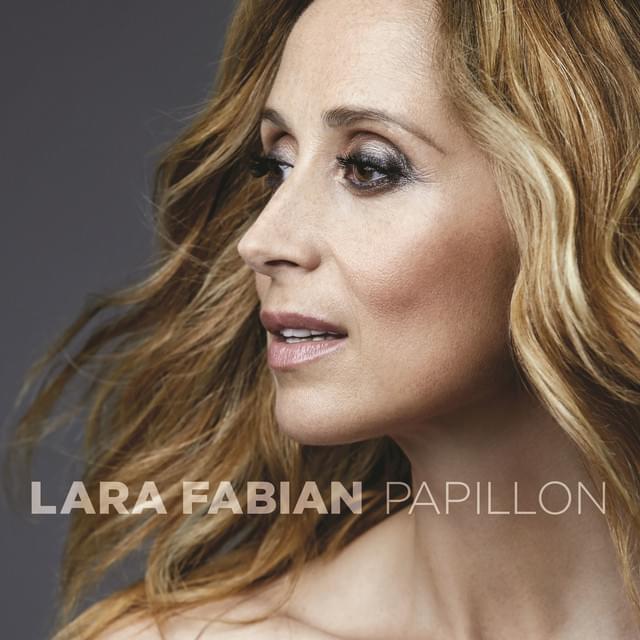
Lara Fabian's "Papillon" isn't just a flight of fancy; it's a poignant meditation on potential, visibility, and the fleeting nature of existence. The opening lines, tinged with existential questioning—"Quelqu'un m'entendra-t-il / Si je ne dis plus un mot?" (Will someone hear me if I don't say a word?)—immediately establish a sense of isolation and a yearning to be seen, to matter. This feeling of being unseen, unheard, is a universal anxiety, particularly resonant in a world saturated with noise and fleeting attention spans. The butterfly metaphor, then, becomes a powerful symbol of transformation and a desperate desire to break free from perceived limitations.
The chorus serves as the emotional core of the song, repeatedly invoking the image of flight and light. "Je vole... volerais / M'habillerais de lumière" (I fly... would fly / Would dress myself in light) suggests a shedding of darkness, a movement towards self-illumination. The butterfly, though fragile, possesses a vibrant beauty, a stark contrast to the initial feeling of invisibility. Yet, the lyrics also acknowledge vulnerability: "Je me cache... cacherais / De la pluie et du vent" (I hide... would hide / From the rain and the wind). This isn't naive optimism; it's an understanding that even in moments of transcendence, protection and self-preservation are necessary. The desire to appreciate the Earth's beauty underscores a longing for connection and a celebration of the present moment.
Ultimately, the song's meaning rests on the tension between the speaker's current state and her aspirations. The "chrysalide" mentioned in the second verse represents a state of potential, but also confinement. The question, "Quelqu'un attendra-t-il / Pour que ma chrysalide / Se libère de ses fils / Et se lance dans le vide?" (Will someone wait for my chrysalis to free itself from its threads and launch into the void?) highlights a dependency on external validation or a fear of taking the leap alone. The repetition of "J'aurais pu être un papillon / J'aurais vécu / Une unique journée" (I could have been a butterfly / I would have lived / A single day) is not necessarily regretful, but a reminder of life's brevity and the importance of embracing one's true self, even if only for a fleeting moment. The lyrics analysis reveals a deep-seated desire for self-actualization interwoven with the awareness of life's transient beauty.
 View Artist