Song Meaning
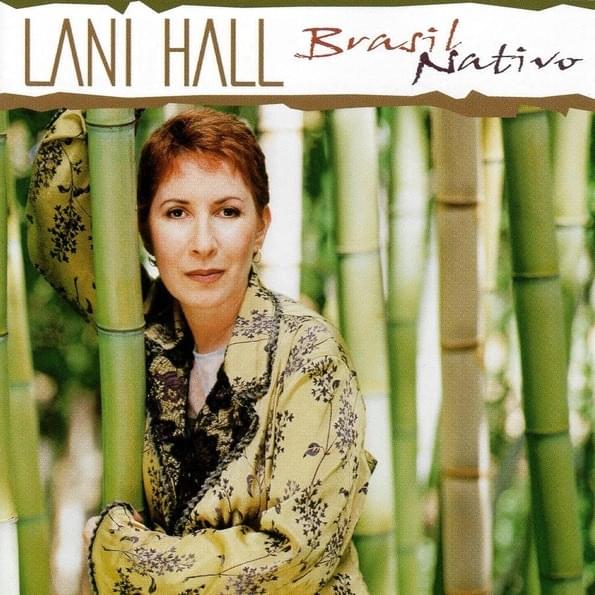
Lani Hall's version of "Mas Que Nada" is less a translation and more a spirited reinterpretation of Jorge Ben Jor's Brazilian samba classic. The core message, however, remains intact: a joyful, almost defiant insistence on celebration in the face of… well, *nada*—nothing. The lyrics, simple as they are, serve as a powerful declaration of intent. "Mas Que Nada," literally "so what?" or "no way!", becomes an anthem of resilience and self-assertion. It's a refusal to be deterred, a vibrant expression of cultural pride, and an invitation (or perhaps a command) to join in the collective euphoria. Hall's delivery, infused with her signature warmth and precision, underscores the song's inherent optimism. It's a musical insistence on joy.
The song's cultural weight is undeniable. The phrase "Sai da minha frente / Que eu quero passar" ("Get out of my way, I want to pass") isn't merely about physical movement; it's a metaphor for overcoming obstacles, for clearing a path for cultural expression and personal liberation. The references to "samba de preto velho" (samba of the old black man) and "samba de preto tu" (samba of the black you) root the song firmly in its Afro-Brazilian heritage. It's a celebration of roots, a reclaiming of identity, and a powerful statement about the enduring spirit of a people.
Ultimately, Hall's rendition of "Mas Que Nada" transcends simple entertainment. It's a potent reminder of the power of music to uplift, to unite, and to serve as a vehicle for cultural affirmation. The repeated vocalizations ("Oaria raio, obá, obá, obá") act as a primal call to joy, an invitation to shed inhibitions and embrace the liberating energy of samba. It's a song that understands the human need for catharsis, for collective effervescence, and for the defiant declaration that, despite everything, the music will play on.
 View Artist