Song Meaning
The poem opens with a bold declaration: "I, too, sing America." This immediately establishes a sense of belonging and shared identity with the nation. The narrator identifies as "the darker brother," a phrase that hints at a history of exclusion and marginalization within that same America. The initial scene depicts a clear act of segregation: being sent to eat in the kitchen when guests arrive. This is a stark visual of being relegated to the background, separate from the main event.
Despite this unfair treatment, the narrator's response is not one of despair but of resilience. "But I laugh, / And eat well, / And grow strong." This internal strength is crucial; it's a refusal to be diminished by external prejudice. The act of eating well and growing strong becomes a quiet form of resistance, building power from within even when denied a seat at the table. This internal fortitude sets the stage for a future assertion of presence.
The poem pivots to a future vision where the narrator will claim their rightful place. "Tomorrow, / Ill be at the table / When company comes." This isn't a plea but a confident prediction. The oppressive command, "Eat in the kitchen," will be rendered powerless, with "Nobodyll dare / Say to me" such a thing. The narrator anticipates not just inclusion but a recognition of their inherent worth, suggesting that their presence will cause shame in those who previously excluded them.
The ultimate assertion, "I, too, am America," circles back to the opening line, solidifying the narrator's undeniable connection to the nation. The craft here lies in the contrast between the present indignity and the future certainty, powered by an internal resilience. The simple, declarative sentences build a powerful argument for equality, demonstrating how quiet strength can anticipate and ultimately dismantle systemic exclusion.
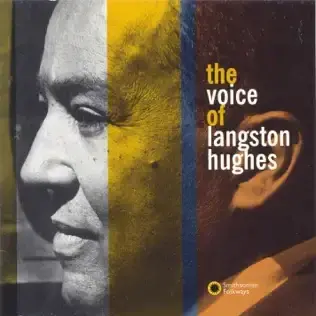
 View Artist