Song Meaning
The lyrics paint a picture of a "restless boy" caught in a cycle of self-destructive behavior and emotional isolation. The opening "Oooooh"s, framed as questions, immediately establish a sense of concern and bewilderment from an outside perspective. This boy is described as "riding around without a sound" and "commencing to drinking," suggesting a quiet desperation and an attempt to numb his feelings. The repetition of "A bottle up, a bottle down" emphasizes the relentless nature of this coping mechanism, as "another day peels away" without any apparent progress.
The central tension lies between the boy's internal struggle and the external world's perception of him. While "faithful friends" are "around you, wonder why you feel so low," the narrator seems to offer a harsh, almost detached observation: "Look at me, if you really want to see / The comedy and the clown." This suggests a potential identification with the boy's plight, or at least an understanding of the performative aspect of his sadness, possibly hinting that his "low" feeling is a kind of act or a deeply ingrained persona.
The writing crafts a sense of weary resignation through its imagery and structure. The phrase "sifting through the piles of shit" is a starkly unpoetic description of the difficult, messy process of understanding someone's inner turmoil. The lyrics then pivot to a more philosophical observation about "power" that "rarely deviates / In times of love, in times of hate," suggesting a fixed personality trait or a deeply rooted pattern of behavior that transcends emotional states. The repeated line, "It could take some practice, I know," offers a sliver of hope, but it's framed within the context of learning to suppress negative "traits," implying a long and arduous path toward change.
Ultimately, the effectiveness of these lyrics stems from their unflinching portrayal of a specific kind of malaise. The narrator doesn't offer easy answers but instead dissects the boy's situation with a mix of empathy and critical distance. The contrast between the external "restless town" and the internal "low" feeling, coupled with the blunt language and the cyclical structure, creates a resonant portrait of someone trapped in their own head, struggling to break free from a self-imposed performance of misery.
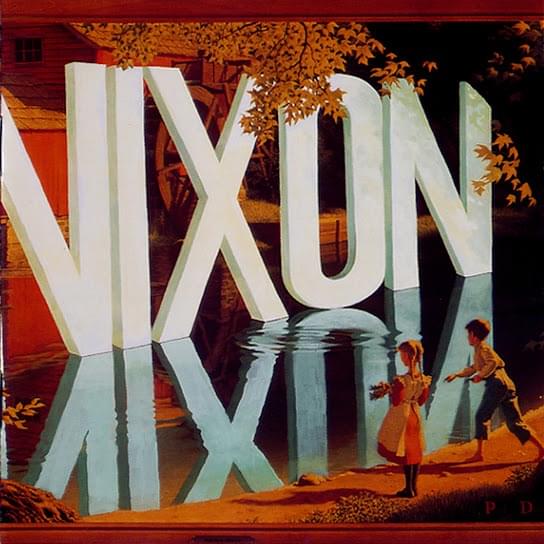
 View Artist