Song Meaning
The lyrics paint a grim picture of an inescapable, internal decay, a "intrinsic rot" that seems to carry premonitions of future doom. The narrator feels their past is a persistent threat, destined to "rise / Haunting you again," suggesting a cyclical pattern of self-destruction or external judgment. The imagery of "tonguing the glue stamp" and being "Cased in forests / Of black steel rod" evokes a sense of being trapped, sealed into a rigid, unyielding fate, perhaps by societal or personal constraints.
The central tension lies in a forbidden action, a repeated mistake the narrator recognizes they "must never do again." This action leads to a "falling, spiral down," a descent into an unknown abyss where the sought-after object will inevitably find them. This hints at a self-destructive impulse or a dangerous pursuit that, despite the narrator's awareness, continues to pull them under. The "vines of nerve" floating "downstream" and "sections of horror" amplify this sense of losing control and succumbing to dread.
The most striking aspect is the narrator's confession, which paradoxically becomes a weapon against them. They've "confessed this disease" and "Handed you a key to control," effectively providing the means for their own punishment. This act of vulnerability is twisted into "Fuel for your malicious intent," leading to a dissection of their faith and a twisting of their trust. The narrator's plea to "Punish me for my failure" underscores a deep-seated self-blame and a feeling of being utterly exposed and manipulated.
Ultimately, these lyrics resonate through their portrayal of a soul trapped in a self-perpetuating cycle of confession and punishment. The narrator’s attempt to share their "disease" backfires, empowering an unseen antagonist to exploit their deepest vulnerabilities. The final, desperate cry, "Never, no more, I'm alone," is not a declaration of freedom but a resigned acceptance of isolation, a consequence of having their trust so thoroughly broken and their faith dissected.
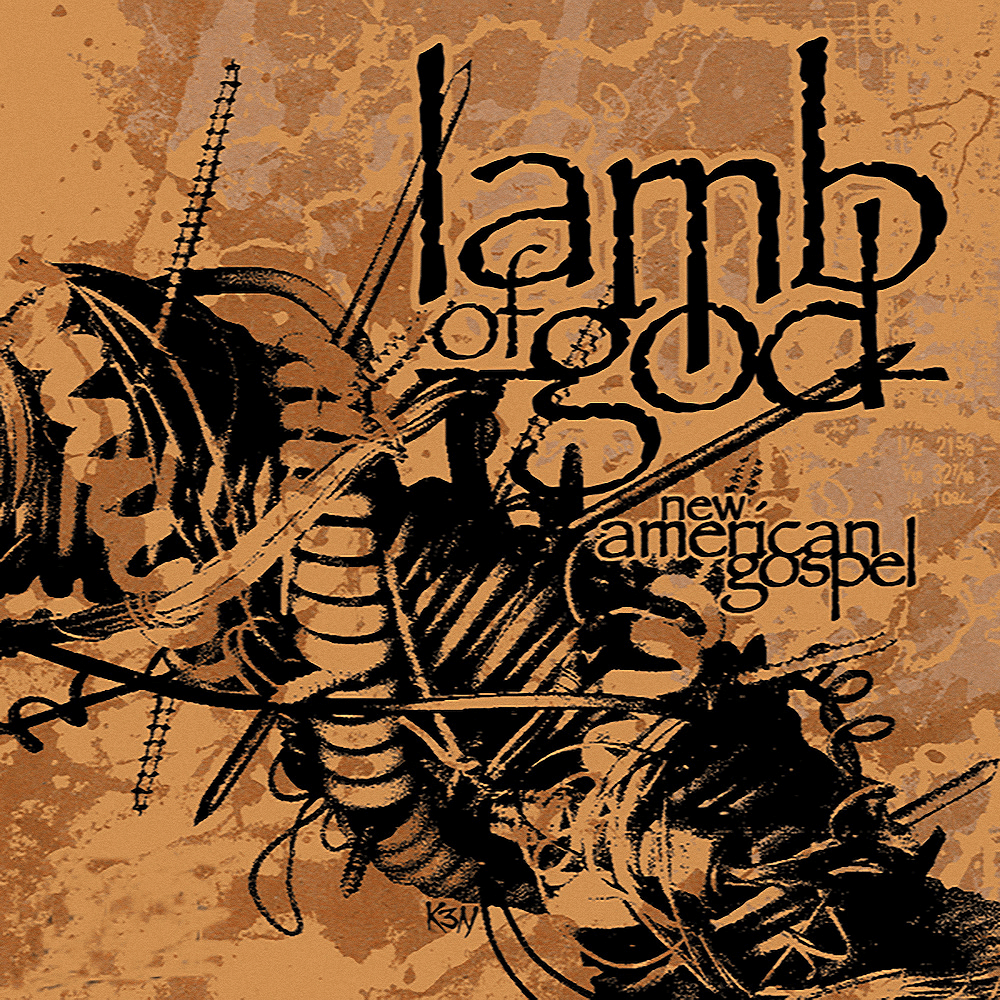
 View Artist