Song Meaning
This track paints a grim picture of a desolate landscape where the wicked seek redemption, only to be terrorized by a monstrous Hydra. The setting itself is a stark contrast: a place of supposed holiness and purification that is instead a scene of mass graves and pervasive dread. The lyrics establish a palpable atmosphere of corruption and danger, where even the act of seeking penance is fraught with peril.
The central conflict emerges as the narrator confronts this ancient evil, a creature embodying relentless destruction. The Hydra's venomous breath and its ability to regenerate heads after decapitation highlight the seemingly insurmountable nature of the task. The narrator's declaration, "It won't be taking me...", sets up a desperate struggle against overwhelming odds, a fight for survival against a force that seems to embody pure, destructive chaos.
The most striking aspect of the craft here is the cyclical and Sisyphean nature of the conflict. The narrator's act of "decapitat[ing] one head" only results in "two grow[ing] in its place," a vivid metaphor for a battle where victory is impossible through conventional means. The pursuit of killing the immortal head, even with a "golden blade," suggests a quest that might be futile, or at least requires a different kind of approach than brute force. The final image of the narrator still hearing the hiss and disemboweling the carcass implies the fight is far from over, even after a perceived victory.
What makes these lyrics resonate is the raw, visceral depiction of facing an existential threat that cannot be easily vanquished. The imagery of burning knives and a golden blade against monstrous snake heads creates a powerful, almost mythic struggle. The narrator's defiant stance against the "wicked mountain" and the Hydra's coils, despite the apparent futility, taps into a deep-seated human drive to confront and resist overwhelming darkness, even when the odds are stacked impossibly high.
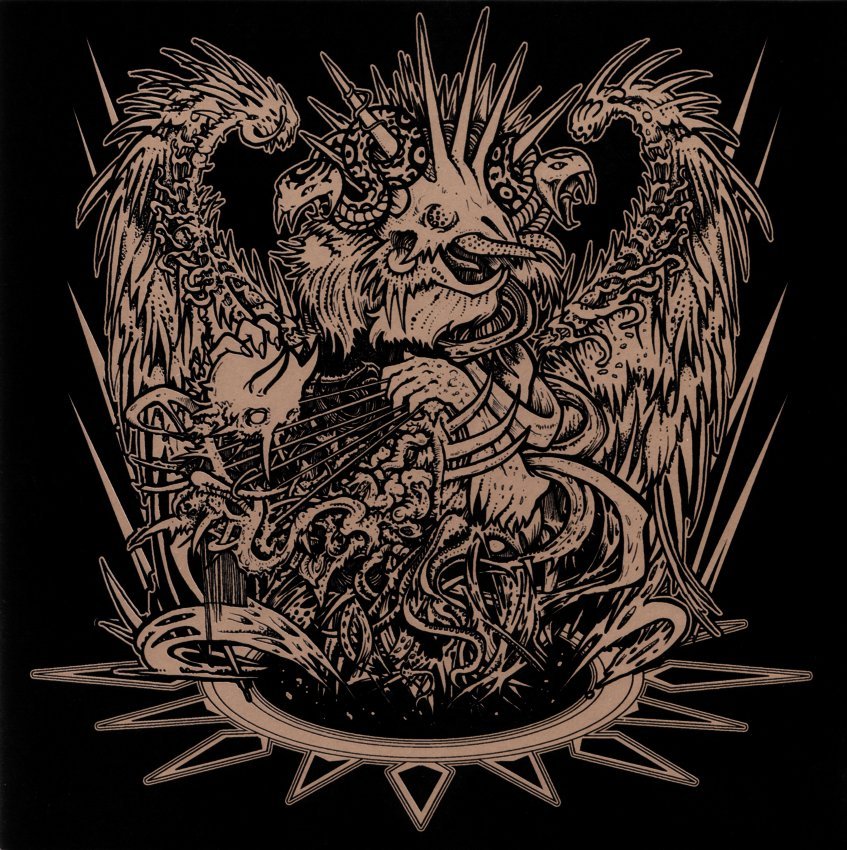
 View Artist