Song Meaning
The lyrics paint a vivid picture of a love that was ultimately an illusion, with the speaker identifying as the very 'flower of illusion.' The opening lines establish a powerful, almost predatory force of love and passion, personified as eyes and a mouth that actively engage with the speaker. This initial encounter feels intensely real, yet the subsequent reveal that the speaker *was* the flower of illusion immediately casts a shadow of deception or unreality over the experience. It suggests a love that was perhaps more a projection or a fantasy than a mutual, grounded connection.
The central tension arises from the stark contrast between the perceived reality of love and the speaker's true nature as an illusion. This is amplified by the second stanza, where 'the bee of dread' stings and 'loneliness squeezed' the speaker. The 'waltz was real,' but the speaker was the one 'dancing alone,' highlighting a profound isolation even within what seemed like a shared experience. The imagery shifts from external forces of love to internal feelings of fear and solitude, reinforcing the idea that the speaker's internal state was one of profound loneliness, regardless of the outward appearance of connection.
What's particularly striking is the cyclical nature of the narrative, culminating in the final stanza. The 'scent and taste of time' and the 'mouth of passing by oneself' suggest a self-reflective, perhaps regretful, awareness. The speaker acknowledges that 'the flower was born from love and died.' This finality underscores the ephemeral and ultimately tragic nature of the illusion. The lyrics suggest that the speaker, embodying the illusion, was both the source and the victim of this fleeting, love-born deception, leaving behind only the 'scent and taste of time' as evidence of what once was.
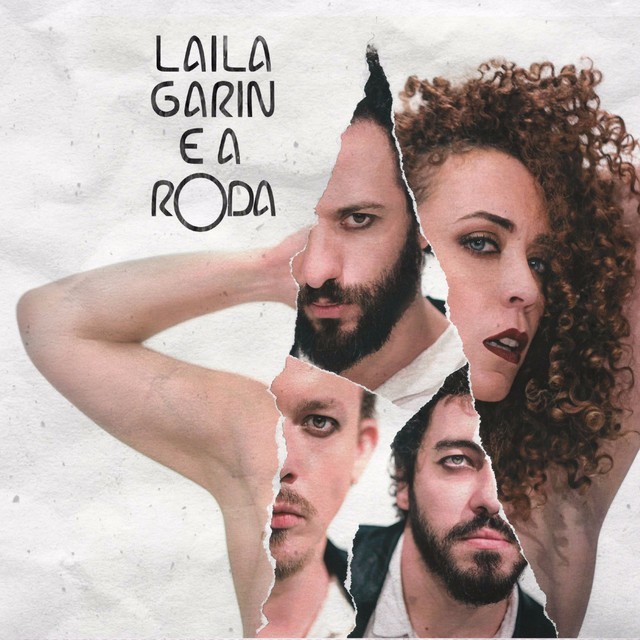
 View Artist