Song Meaning
The lyrics present a stark, almost bureaucratic depiction of a state's responsibilities, focusing on resource management and citizen welfare. The opening lines detail the state's role in forestry, physical education, and public health, all framed within the context of national strength and defense. This clinical enumeration of duties creates an initial impression of order and control, but it’s immediately undercut by a shift in tone.
The central tension emerges as the lyrics pivot from the state's purported functions to a more volatile, ideological pronouncement. The phrase "Ravna čedalje bolj popustljivo, dopušča se vsa svoboda" (It acts ever more leniently, all freedom is permitted) hints at a potential contradiction or a facade of freedom. This is followed by the assertion "Oblast je pri nas ljudska" (Power is with us, the people), which feels less like a statement of fact and more like a rhetorical device, especially when juxtaposed with the subsequent quote.
The most striking element is the inclusion of a direct quote, likely from a historical or political figure, invoking sacrifice and unity. The powerful declaration, "Mi smo more krvi prolili za bratstvo I jedinstvo nasih naroda: E, necemo nikome dozvoliti da nam dira ili da nam ruje Iznutra da se rusi to bratstvo I jedinstvo...." (We shed seas of blood for the brotherhood and unity of our nations: E, we will not allow anyone to touch us or to undermine us from within, to destroy that brotherhood and unity....), injects a heavy, almost menacing, historical weight. This quote starkly contrasts with the earlier, detached description of state functions, revealing a foundation built on past conflict and a fierce, defensive posture against internal dissent.
These lyrics are effective because they juxtapose the mundane, almost mundane, administrative language of state control with the raw, emotional, and potentially coercive rhetoric of nationalistic unity. The shift from 'caring for forests' to 'seas of blood' creates a chilling effect, suggesting that the state's benevolent facade masks a more authoritarian and historically charged ideology, one that demands unwavering loyalty and vigilance against perceived internal threats.
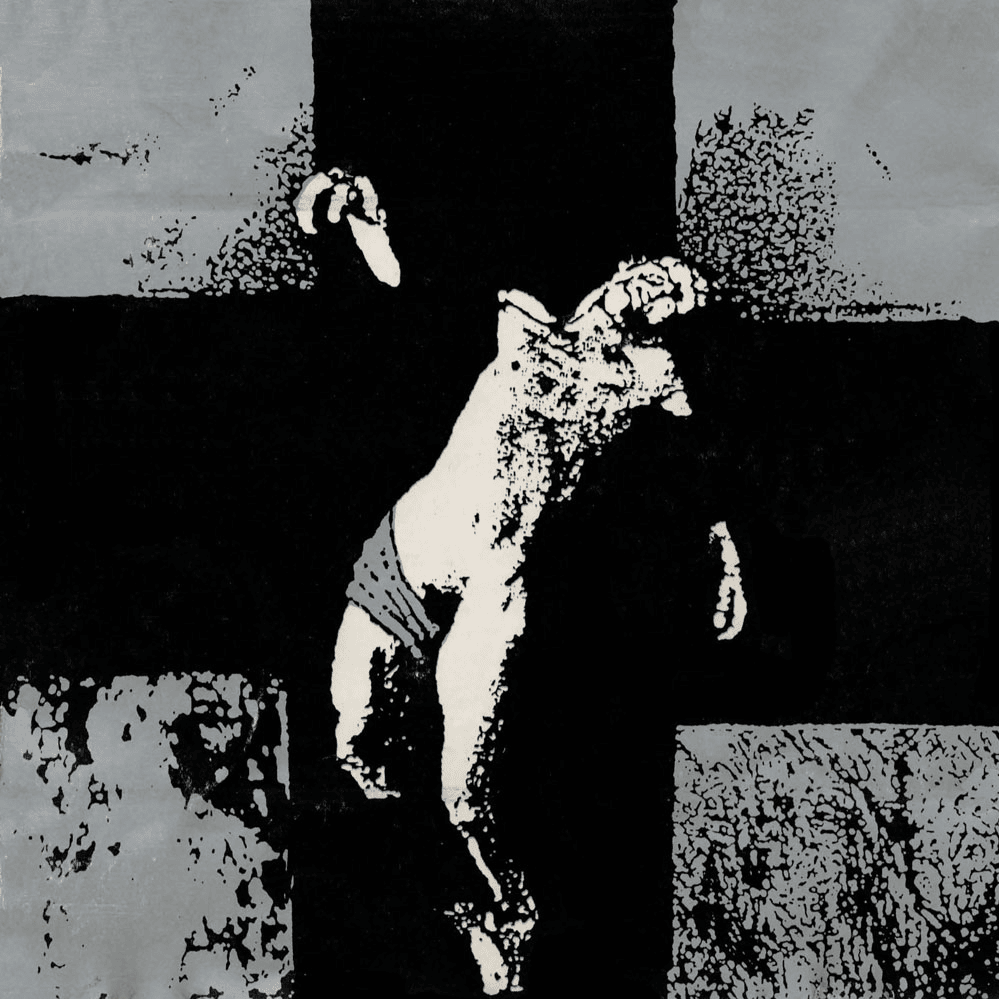
 View Artist