Song Meaning
The lyrics open with a direct address, "Meine Brüder" (My brothers), posing a philosophical question about the necessity of a "Löwen im Geiste" (lion in the spirit). This immediately establishes a contemplative, almost fraternal tone, questioning internal strength or perhaps aggression. The subsequent lines pivot sharply to the concept of "Unschuld" (innocence), defining it through a series of evocative images. It's presented as a child, specifically one with "goldenem Haar" (golden hair), a classic visual trope for purity and ethereal beauty. This contrast between the internal 'lion' and the external 'innocence' sets up a core tension.
The definition of innocence continues to build, moving from a visual to a more abstract, experiential understanding. "Unschuld ist das Kind" (Innocence is the child) is repeated, reinforcing the central metaphor. It then expands to "ist ein Spiel" (is a game) and "ist eine Erst-Erweckung" (is a first awakening). These phrases suggest innocence isn't just a passive state but an active, formative experience – a playful beginning, a nascent awareness of the world. The repetition of "Unschuld" acts like a mantra, emphasizing its profound significance.
The power of these lyrics lies in their concise, almost aphoristic construction. The juxtaposition of the internal, potentially fierce "lion in the spirit" with the gentle, pure imagery of the "child with golden hair" creates a compelling duality. The progression from a visual to an experiential definition of innocence—from a golden-haired child to a game and a first awakening—suggests a developmental arc. It’s this careful layering of abstract concepts with concrete, archetypal imagery that makes the contemplation of innocence feel both profound and accessible.
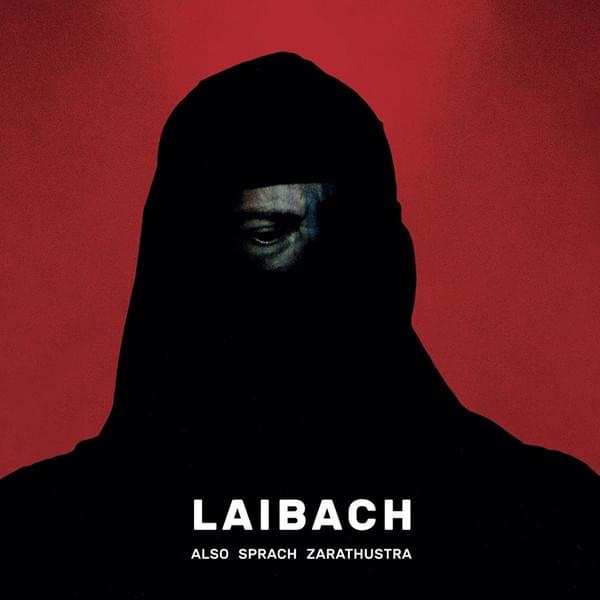
 View Artist