Song Meaning
The lyrics paint a stark, almost primal picture of an approaching, menacing force. The repeated phrase "Po cesti gredo" (They are going down the road) establishes a sense of relentless, inevitable movement towards "us" or "you." This group is described with unsettling imagery: "S krizi na celih" (with crosses on their entirety) and "Z ognjem v oceh" (with fire in their eyes), suggesting a fanatical or vengeful intent. They are labeled "Cloveska divjad" (human wild beasts), emphasizing a loss of humanity and a descent into primal aggression as they "Grejo v prepad" (go into the abyss). The description of their children, "Visoke rasti / Mocnih celjusti / In blede polti" (tall stature / strong jaws / and pale complexions), adds a disturbing, almost monstrous quality to their lineage, reinforcing the idea of an inherited, terrifying nature.
The chorus, "Zob za zob / Glavo za glavo" (Tooth for a tooth / Head for a head), transforms the narrative into a cycle of brutal retribution. This isn't just an attack; it's presented as a violent, almost celebratory exchange of lives. The phrase "Na divjo zabavo" (To a wild party) is particularly jarring, suggesting that this cycle of violence is perceived as a form of perverse entertainment or release by the aggressors. The repetition amplifies the feeling of an inescapable, escalating conflict, where each act of aggression is met with an equal and opposite, equally violent response.
Verse 2 shifts perspective, describing a state of absence and desolation: "Ni ognja, ni strehe / In ni bolecine" (No fire, no roof / And no pain). This could suggest a world stripped bare, devoid of comfort or even the capacity for suffering, perhaps as a consequence of the encroaching force. The imagery of "Sedmera jezera / Sedmere sekire" (Seven lakes / Seven axes) and "vrelec krvi" (spring of blood) points to a place of immense violence and sacrifice, a "past domovine" (trap of the homeland). The narrator then speaks of "Strmeti v luc" (Staring into the light), a celestial or cosmic light that arrives "Ko pride nas cas" (When our time comes). This suggests a moment of reckoning or transcendence, but it's met with a sense of abandonment, as "Sleherna roka / Se nam odmika" (Every hand / Moves away from us), implying isolation in the face of this ultimate arrival.
The lyrics' power lies in their relentless, stark imagery and the stark contrast between the encroaching, dehumanized "divjad" and the isolated, perhaps doomed "us." The cyclical, brutal chorus creates a sense of inescapable doom, while the second verse introduces a cosmic, almost spiritual element of waiting for an inevitable, possibly devastating, "time." The language is direct and visceral, avoiding complex metaphors in favor of raw, impactful descriptions of threat and consequence, making the impending violence feel both deeply personal and terrifyingly vast.
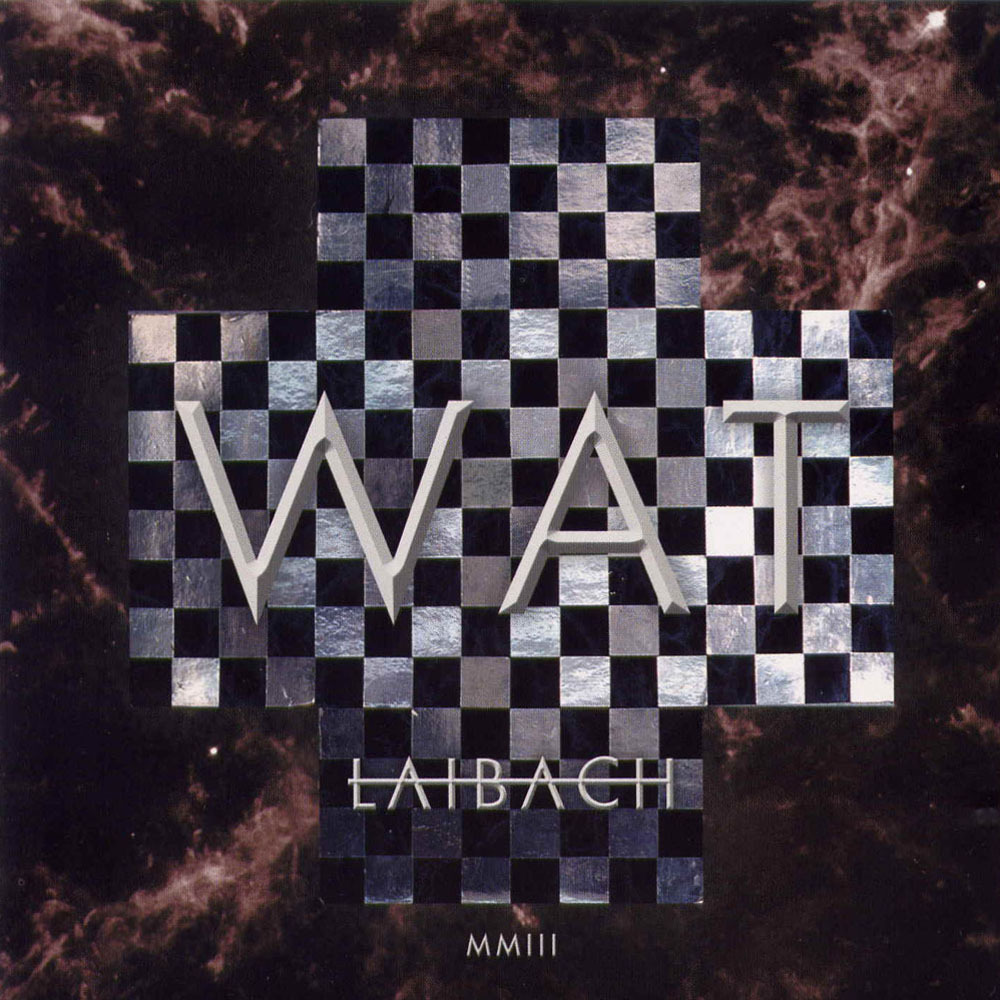
 View Artist