Song Meaning
These lyrics paint a picture of a relationship that’s both deeply cherished and complicated. The narrator opens by framing their connection in grand, almost cliché terms – "storybook romance," "myriad of thoughtful acts" – suggesting a love that feels epic and overwhelming. Yet, this idealized view is immediately undercut by a confession: "I'm sorry for exposing you / I know you hate it when I do." This hints at a vulnerability or perhaps a public aspect of their relationship that causes discomfort, even as the narrator feels compelled to express their profound feelings.
The core tension lies in the struggle to articulate a love that transcends conventional expression. The narrator acknowledges the "cheesy poems and chick flicks," the "mushy shit that people say," and finds it amusing, yet they grapple with conveying the depth of their experience, especially after navigating "recent dramas." The repeated phrase "The days are new, the nights unwind" suggests a constant state of flux and renewal within the relationship, where the partner's influence is transformative, capable of shifting the narrator's entire perspective and emotional landscape.
The lyrics cleverly use repetition and contrast to highlight this transformation. Phrases like "You break my world, you change my mind" and later "You touch my world, you change my life" show an escalating impact. The shift from "run out of love, come down from life" to "run out of love, run out of life" and then to "Come down from hate, the world has changed" illustrates a powerful emotional arc, moving from potential despair or negativity towards a profound, positive alteration of their reality. The specific mention of "Derrick" adds a layer of personal history, suggesting an external catalyst or facilitator for this pivotal relationship.
Ultimately, the effectiveness of these lyrics stems from their raw honesty about the difficulty of expressing profound love amidst personal struggles. The narrator’s repeated declaration, "I'll never forget," coupled with the mantra of "gratitude," solidifies the lasting impact of the partner's influence. It’s a testament to a bond that, despite its complexities and the inadequacy of conventional language, has fundamentally reshaped the narrator's world and remains unforgettable.
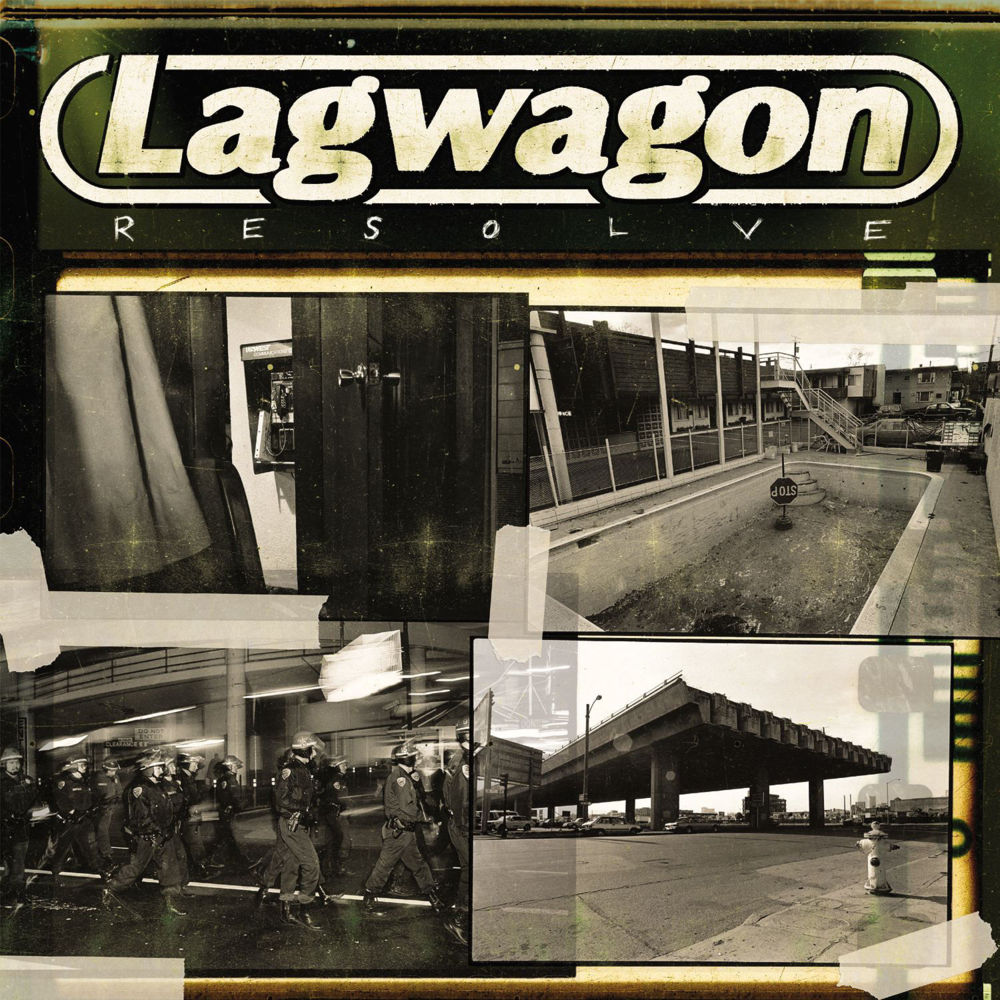
 View Artist