Song Meaning
The lyrics paint a stark picture of adult disillusionment, contrasting a perceived loss of innocence with the complexities of modern life. The narrator observes a world choked by "clutter of confusion" and a "lack of rectitude," suggesting a moral ambiguity that makes genuine connection difficult. This "too much distinction" creates a chasm, preventing the narrator from relating to others who seem to operate on a different, perhaps less empathetic, wavelength. The overwhelming sense is one of being adrift in a sea of "irresolutions."
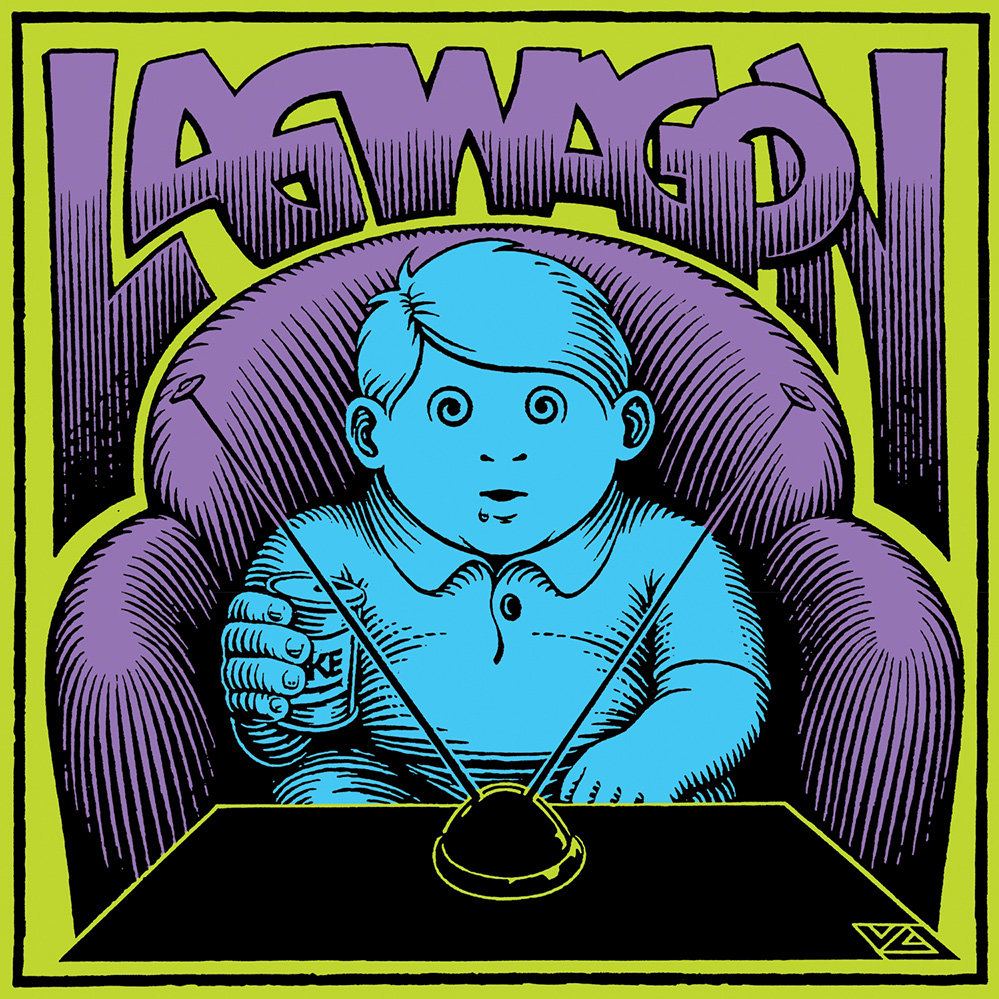
The central tension arises from the perceived suppression of a "child inside." The narrator contrasts the "purity" and "release" of childhood memory with the present state of "despair" and a "lack of ability to feel clemency." This inner child, a repository of "purity," is being "hiding" by the adult world's demands and emotional detachment. The narrator is surprised that this inner child still "bleed[s] into the abyss," hinting at a persistent, though perhaps wounded, core of innocence.
The most striking element is the juxtaposition of "emotional need to technology" and the loss of "compassion." The lyrics suggest that societal progress, or what is "referred to as maturity," has paradoxically led to a diminished capacity for empathy. The narrator recalls a time when the "child inside" felt "confident" and saw a "future laid out on your table," a stark contrast to the present "abyss of despair." This memory of freedom and clarity, where "the world restored," is what the narrator clings to.
This piece resonates because it articulates a common feeling of being overwhelmed by adult responsibilities and societal pressures, leading to a sense of lost authenticity. The writing effectively uses the metaphor of the "child inside" to represent an idealized past self that is being obscured by present-day cynicism and emotional distance. The final repetition of "The child inside of me" serves as a poignant affirmation of this enduring, though perhaps fragile, inner essence.
 View Artist