Song Meaning
The lyrics paint a stark picture of abandonment and the chilling realization that a relationship has ended. The opening lines establish a scene of unease: sending someone "out to play" at night, only for alarms to blare at three in the morning. This isn't a playful scenario; the narrator's immediate thought is "Funny how I'm not laughing now," revealing a deep-seated anxiety that quickly solidifies into a grim certainty: "Loneliness a guarantee." The repetition of this unsettling scenario in the second verse drives home the finality of the situation, culminating in the blunt declaration, "He's not coming home to me."
The narrator expresses a desperate desire to escape the wreckage of this relationship, wishing for a consequence-free exit. The lines "Try to get out of the lease / And to move out of love" show a practical and emotional attempt to sever ties. However, the fantasy of a clean break, where "I'd watch it all turn to dust," is immediately undercut by the acknowledgment that such freedom is impossible. This highlights the painful entanglement that remains, even after the relationship's apparent end.
The chorus introduces a new, poignant plea: "Hey can I go with you, my beauty number 2?" This question is loaded with subtext. The narrator seems to be addressing someone who is perhaps the object of the departed lover's attention, or simply someone else moving on. The desperate request to join them, especially "when the rendezvous's over," suggests a profound fear of being left behind entirely. The repeated phrase "It's over" in the chorus initially seems to confirm the end, but the outro's defiant "It's not over, no, it's not over" introduces a flicker of denial or a desperate hope that the finality isn't as absolute as it appears.
What makes these lyrics so effective is their raw portrayal of emotional desolation and the subtle unraveling of certainty. The contrast between the initial attempt at a casual "sending out to play" and the subsequent alarms and loneliness creates a palpable sense of dread. The narrator's wish for a dust-turning escape reveals a deep-seated pain, while the desperate plea in the chorus captures the vulnerability of someone clinging to any possibility of connection, even as the situation screams finality. The final, fractured repetition of "It's not over" is a gut punch, showcasing the complex, often irrational, grip of heartbreak.
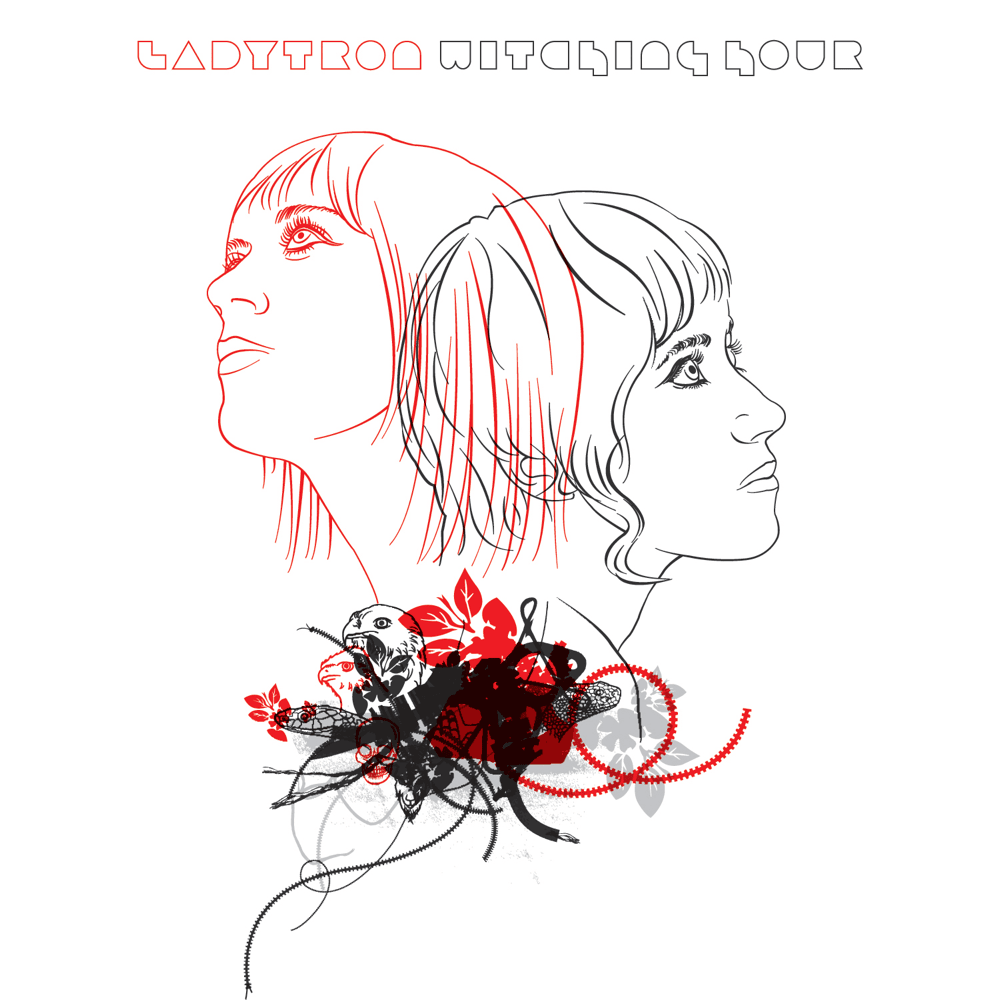
 View Artist