Song Meaning
The lyrics paint a picture of someone, perhaps a gambler or a figure of immense control, who repeatedly breaks the "ace of hearts." This action is framed as a deliberate, almost ritualistic, act of power or liberation. The "ace of hearts" itself seems to represent something precious, perhaps love, vulnerability, or a winning hand that is ultimately discarded or destroyed by this figure. The repetition of "ace of hearts" and the command to "break" it underscores a central theme of calculated destruction or defiance.
The core tension lies in the paradoxical nature of the "ace of hearts." It's described as "unbroken" and a "winning hand," yet it's also something that "breaks too much" and cannot be refused. This suggests a complex relationship with what the ace represents – perhaps an irresistible force that is simultaneously fragile or inherently flawed. The phrase "bombs that cannot be defused by your touch" adds a layer of danger and consequence to the act of breaking, implying that this figure's actions, while seemingly decisive, carry significant, possibly explosive, repercussions.
The most striking craft element is the persistent, almost hypnotic, repetition of "break the ace of hearts." This refrain, coupled with the imagery of "shed your clothes, shed your name," suggests a shedding of identity or a radical transformation driven by this act of breaking. The contrast between "ace among the tame" and the destructive power wielded by the narrator implies a unique, perhaps dangerous, individuality that operates outside conventional norms. The lyrics also hint at a desire for freedom, to "make free of the cities where time stands still," which the act of breaking might facilitate.
Ultimately, the effectiveness of these lyrics stems from their evocative, almost mythic, quality. The repeated, stark imagery of breaking the most valuable card creates a sense of powerful, albeit destructive, agency. The ambiguity surrounding the "ace of hearts" and the motivations behind breaking it invites listeners to project their own interpretations onto this figure of control and liberation, making the narrative resonate through its potent, unresolved conflict.
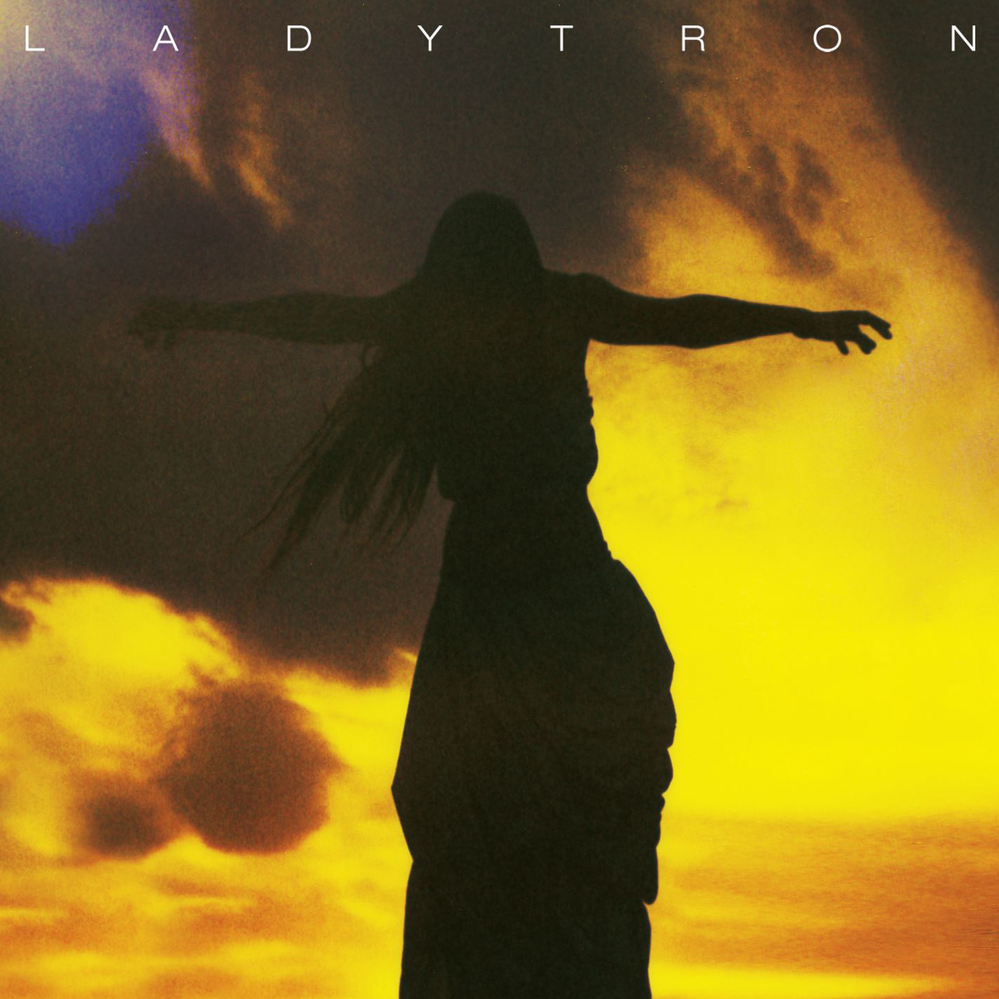
 View Artist