Song Meaning
The lyrics paint a vibrant picture of unity and self-acceptance, starting with a joyful declaration of having diverse friends. The narrator is "so glad" to connect with people across racial and national lines, listing "Black and white, Indians and colors, National, international." This expansive embrace of friendship sets a tone of harmony and shared humanity. The repetition of "I'm so glad" emphasizes the genuine pleasure derived from this inclusive community.
The core of the song shifts to a powerful assertion of identity and pride. The narrator proclaims, "I'm proud to be an African, African like you," and then more directly, "I am happy to be black, black like you." This isn't just about belonging; it's a celebration of heritage and self-worth, directly challenging any external negativity by mirroring the pride back to the listener. The simple, direct statements are amplified by their repetition, solidifying the message.
A striking contrast emerges when the lyrics pivot to past fears: "We were fearful that our voices would be transferred into the marshes." This imagery suggests a dread of being silenced or having their expressions lost, unable to "sing our selfs." However, this fear is overcome by a profound realization: their voices would "continue to sing in the marshes long after our death." This suggests a legacy and an enduring spirit that transcends immediate threats, implying that their impact and their song will persist.
Ultimately, the song culminates in the resounding affirmation, "Black is beautiful." This phrase, repeated extensively, acts as a powerful mantra, a direct response to historical or societal devaluation. The preceding verses about diverse friendships, personal pride in being African, and the enduring nature of their voices all build toward this definitive statement. The craft lies in its directness and the emotional arc from gladness and pride to overcoming fear, culminating in an unshakeable declaration of inherent worth.
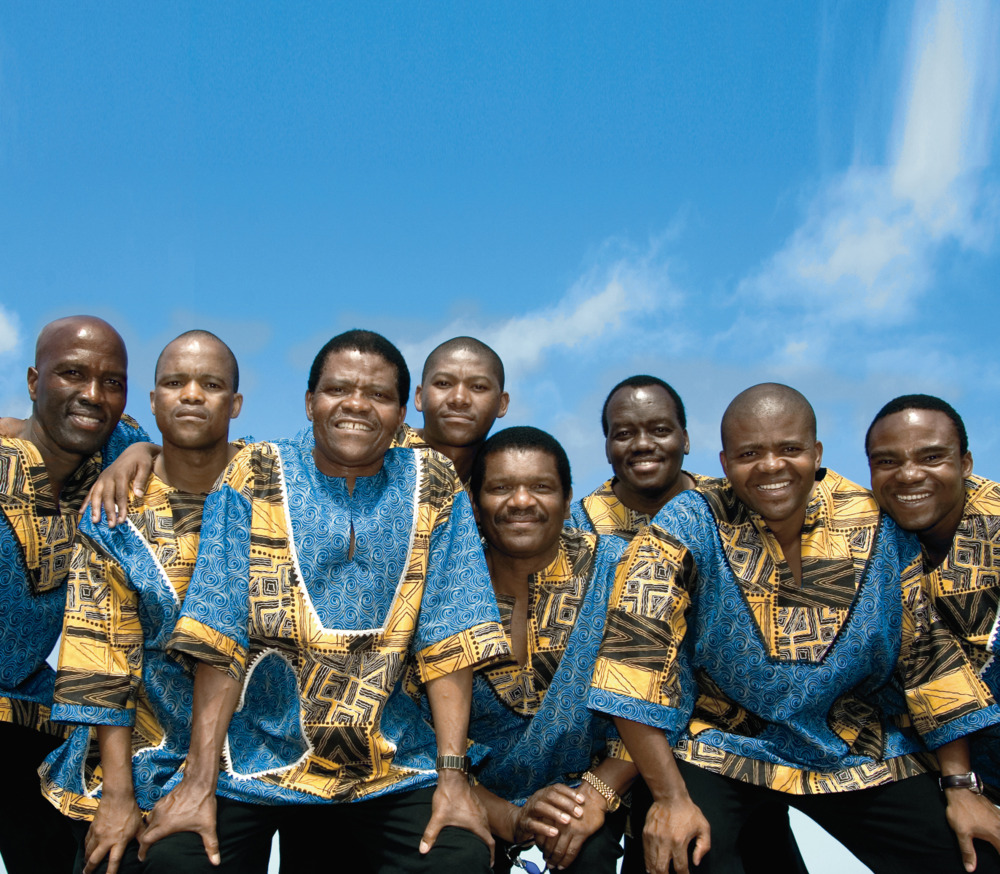
 View Artist