Song Meaning
The lyrics paint a picture of a world consumed by dreams, a place that laughs indifferently, unconcerned with gains or losses, only to birth a new day each morning. This sets a tone of detached observation, hinting at a relentless, perhaps even uncaring, cycle of existence that the narrator is trying to break free from or understand.
The core tension emerges from the call to shed fear and embrace the present moment, contrasted with the warning against those who claim to have all the answers. The phrase "Nieufaj tym, co wiedzą jak" (Don't trust those who know how) is a direct challenge to authority or perceived wisdom, suggesting that true guidance might lie elsewhere. This creates a conflict between external pronouncements and internal conviction.
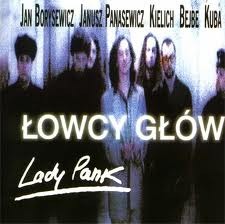
The most striking image is that of the "Nieustraszeni łowcy głów" (Fearless headhunters), who are battling for one's soul. This powerful metaphor suggests external forces, perhaps manipulative ideologies or societal pressures, that seek to capture and control individuals. The description of a "zwykły gość" (ordinary guy) with "cały świat" (the whole world) in his eyes, who has been beaten down by life, adds a layer of weary authenticity to this struggle.
Ultimately, the effectiveness of these lyrics lies in their direct, almost urgent, commands to action: "Zostaw za sobą strach!" (Leave fear behind!). The contrast between the indifferent, dream-obsessed world and the fight for one's soul creates a compelling emotional landscape. The narrative voice, grounded by the story of the beaten-down man, makes the plea to distrust false prophets and embrace personal agency feel both profound and deeply human.
 View Artist