Song Meaning
The lyrics paint a stark picture of oppression and resilience. The opening verse immediately establishes a sense of being controlled and observed, with eyes bound and thoughts restrained until they bleed. This isn't just a passive experience; the narrator notes that "this reality was there where we were," suggesting an inescapable, imposed condition. The dominant tone is one of defiance against forces that seek to break their spirit and dictate their existence.
The central tension lies in the refusal to succumb to despair, even when faced with profound loss and bleak futures. The refrain, "Time won't heal our wounds, we can be strong," directly confronts the idea of passive recovery, asserting an active, enduring strength. This strength is a shield against the narrative that "it's impossible to live here," a pervasive lie the oppressors try to instill. The lyrics emphasize a conscious choice to resist this imposed hopelessness.
A striking element is the imagery of being "cut in half" and fed "hope like cruel bread" to ward off hunger. This suggests a manipulation of basic needs and emotional sustenance, where even hope is weaponized to pacify rather than liberate. The contrast between this forced hope and the "festive" facade highlights a cynical attempt to mask underlying suffering. The final lines, "We're lighting the fuse instead of walking this world," powerfully encapsulate this active, explosive form of resistance, rejecting passive existence for a deliberate, perhaps destructive, act of defiance.
Ultimately, the effectiveness of these lyrics stems from their raw portrayal of enduring hardship and the defiant spirit that refuses to be extinguished. The repeated assertion of strength and the rejection of imposed limitations create a potent anthem for those who refuse to be broken. The final declaration of being "incorrigible, unusual, we carry the world" and having "no bars for us" solidifies an identity forged in resistance, a refusal to be contained or defined by their oppressors.
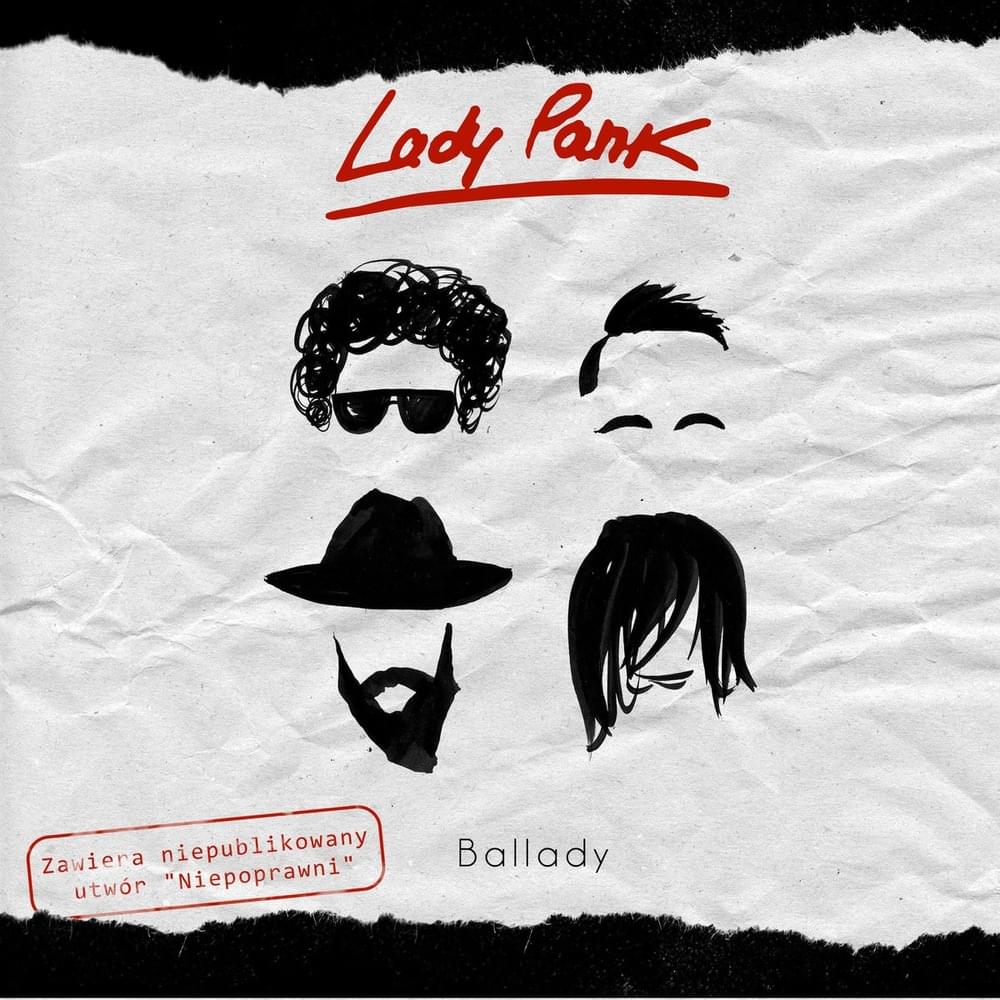
 View Artist