Song Meaning
The lyrics paint a picture of profound emptiness and loss, using stark natural imagery to convey a sense of things being irrevocably broken. The opening lines immediately establish this tone: "Kalna virsotnē nekāp, kalnam virsotnē kalnu vairs nav" (Don't climb the mountain peak, the mountain peak has no more mountain) and "Ābelēm galotni nelauz, ābelei galotnē ābolu nav" (Don't break the apple tree's crown, the apple tree's crown has no apples). These phrases suggest a state where the expected outcome or essence of something is gone, even if the form remains.
The central tension arises from a recurring feeling of isolation and confusion, amplified by a sense of impending, yet undefined, doom. The narrator repeatedly finds themselves alone "Pēc pusnakts uz trijiem es palicis viens" (After midnight, from three, I am left alone) and questions "Kā vienmēr es prasu - par ko?" (As always, I ask - what for?). This is underscored by the insistent, almost resigned chorus: "Neko, neko, bet viss jau iet uz to" (Nothing, nothing, but everything is already heading towards it), coupled with the admission of "kārtējais pārpratums" (another misunderstanding). It implies a cycle of miscommunication or misjudgment leading to this desolate state.
The song's power lies in its consistent use of negation and absence. Each verse presents a scenario where the vital element is missing: no more mountains on the peak, no apples on the crown, no island in the lake, no fishermen for the goldfish, no bread from the loaf, and crucially, "Abrenē vairāk Latvijas nav" (There is no more Latvia in Abrene). This last line, in particular, carries a heavy historical weight, suggesting a loss of national identity or territory. The repetition of "vairs nav" (no more) and "nekāp," "nelauz," "nelej" (don't climb, don't break, don't pour) creates a suffocating atmosphere of what *should* be, but *isn't*.
Ultimately, the lyrics resonate because they articulate a deep-seated feeling of things falling apart, not through dramatic collapse, but through a slow, inevitable erosion of substance. The repeated, The narrator's repeated, unanswered question "par ko?" (what for?) captures a profound existential bewilderment. The "nekāp" and "nelauz" commands, presented as warnings or pleas, highlight a desperate attempt to halt this decay, but the subsequent descriptions that follow reveal the futility of such efforts, as the essential components are already gone. This creates a poignant and melancholic reflection on absence and the quiet tragedy of things ceasing to be what they once were.
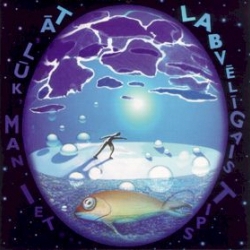
 View Artist