Song Meaning
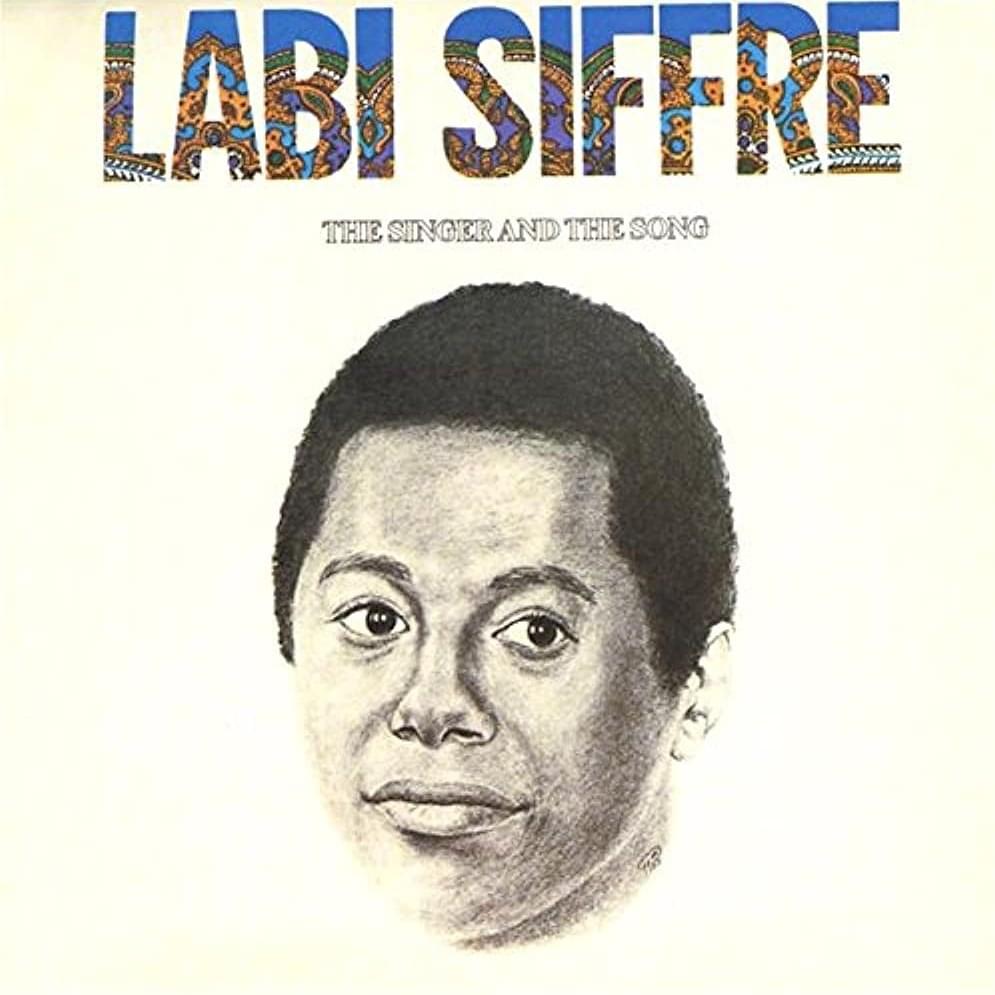
Labi Siffre's "Who Do You See" isn't just a simple query; it's a psychological hall of mirrors wrapped in deceptively plain language. The song excavates the core human anxiety of self-perception versus how we're perceived by others. Siffre lays bare the vulnerability inherent in seeking validation, reducing the sentiment to its most elemental form: 'I look at you / You look at me / I wonder who / Do you see?' It's a question that echoes through relationships, artistic endeavors, and every moment of self-reflection. The simple construction amplifies the vastness of the question. It's a universal plea for recognition, a desperate hope that the image we project aligns with our internal narrative.
Siffre then sharpens the focus, layering on a second level of complexity. 'I wonder do you see / What I see when I look / At me?' This isn’t merely about external validation anymore; it's about the chasm that can exist between self-knowledge and how we’re known. The lyrics hint at the potential for profound disconnect. Are we presenting a curated version of ourselves, or are we truly being seen? The subsequent questions – 'Do you see a mountain? / Do you see a boar? / Do you see a crazy kid / And nothing more?' – introduce a series of symbolic archetypes. A 'mountain' suggests strength and resilience, a 'boar' perhaps untamed aggression, and a 'crazy kid' hints at innocence or immaturity. The anxiety lies in the possibility of being reduced to a single, potentially unflattering, characteristic.
The final verse then throws the listener into the romantic arena: 'Do you see a lover? / Do you see a friend? / Is this the beginning? / Or the beginning of the end?' Here, the stakes are raised. The song meaning pivots to the fragile hopes and fears that underpin intimate relationships. The question of whether one is seen as a 'lover' or merely a 'friend' encapsulates the yearning for connection and the dread of unrequited affection. The concluding query about beginnings and ends acknowledges the precarious nature of relationships, forever teetering on the edge of creation or dissolution. The beauty of "Who Do You See" lies in its stark simplicity, a minimalist exploration of the multifaceted nature of identity and the eternal quest for understanding.
 View Artist