Song Meaning
Labi Siffre's "When I'm On My Own You Are on My Mind" isn't just a love song; it's a compact study of attachment. The title itself, a simple, almost childlike declaration, belies a deeper exploration of how connection shapes our individual experience. Siffre isn't singing about obsessive love or desperate need, but rather the quiet, persistent awareness of another person's presence, even in their physical absence. It's the kind of love that colors solitude, making it less lonely, more reflective. The lyrics suggest a mature, balanced relationship, one where separation is acknowledged with a sigh, not a scream.
The core of the song meaning resides in its gentle acceptance of both togetherness and distance. Siffre acknowledges the pang of parting ("It's hard to keep from crying a tear or two / When it comes to saying goodbye to you"), yet tempers this with the knowledge that the separation is temporary and ultimately bearable. This isn't codependency; it's a recognition of the profound impact another person can have on one's internal landscape. The bridge, with its playful "You and me, me and you / We need to be together / Two as we are, caviar," offers a glimpse into the joy and richness the relationship provides. The 'caviar' line implies that the relationship is a luxury, a rare and precious thing that enhances life's experience.
What elevates "When I'm On My Own You Are on My Mind" beyond a simple expression of affection is its understanding of how relationships fundamentally alter our sense of self. Siffre isn't merely stating that he misses the person; he's suggesting that their presence has become interwoven with his own identity. The final verse reinforces this idea, underscoring the gratitude for having experienced such a profound connection: "Still it's not as bad as if I'd never had / A friend, a lover, somebody like you / And it's you that I'm coming back to." The song, at its heart, is a celebration of the enduring power of love to enrich and define our individual lives, even when we're on our own.
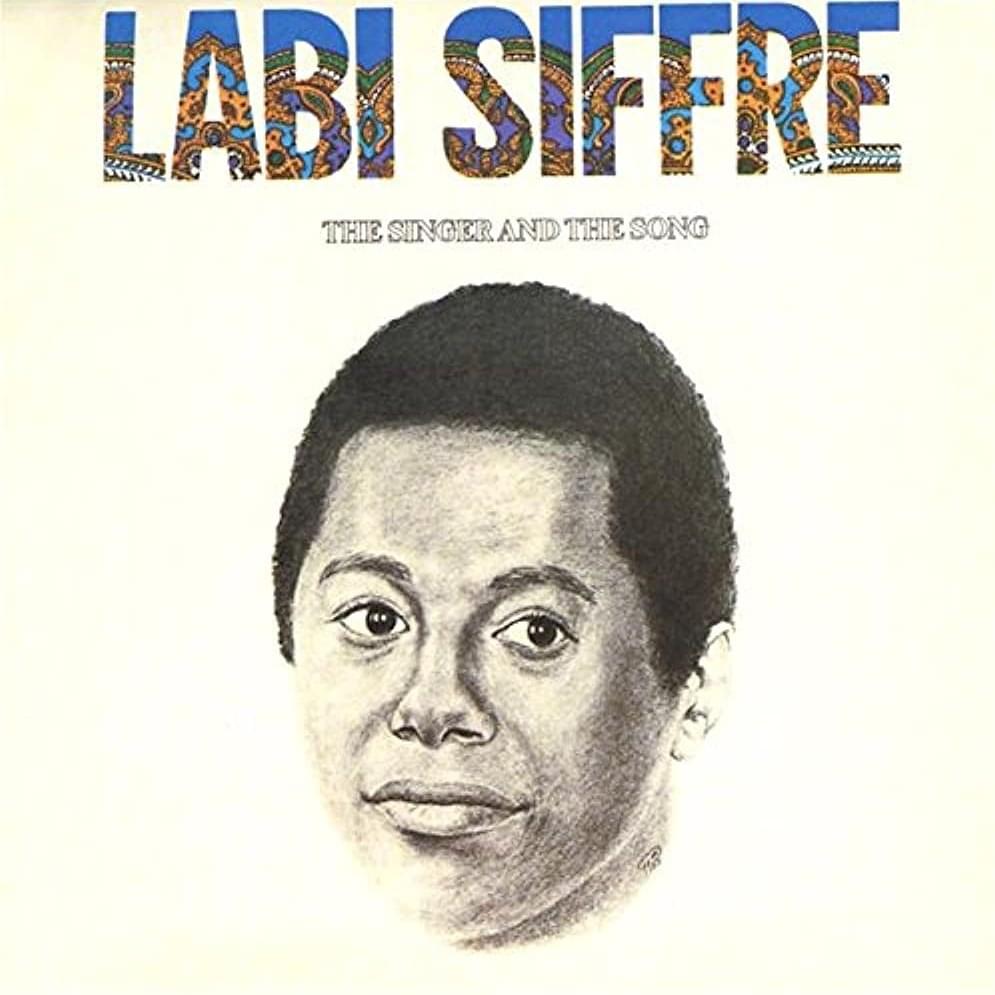
 View Artist