Song Meaning
Labi Siffre's "Get to the Country" is more than just a pastoral daydream; it's a deceptively simple anthem of escape, tinged with a quiet desperation. Siffre isn't just advocating for a scenic vacation; he's prescribing a vital psychological reset. The opening lines, a direct invitation to flee urban life, immediately establish the core theme: a yearning for a simpler existence, one where the fundamental rhythms of nature still hold sway. The refrain, "Get away from the town / Out there in the country / The world is still spinning 'round," emphasizes a world continuing without the listener, a world that is perhaps more stable than the pressures of city life. Siffre subtly suggests the disorienting pace of modern existence, contrasting it with the enduring cyclical nature of the rural landscape. The country becomes a place to reconnect with a more grounded reality. It is a place where the world continues, perhaps without the stress and anxieties of the modern world.
The acknowledgement that "Happiness is not for everyone / You got to get it where you can," adds a layer of poignant realism. Siffre isn't selling a utopian fantasy; he's recognizing that contentment is a hard-won battle, and for him (and perhaps for us), the country offers a fighting chance. It is a world where one can perhaps find happiness, even if it is not guaranteed. The lines, "In the country, you can still see / How it used to be before we," hints at a longing for a pre-industrial, perhaps even pre-modern, past. The song suggests that we are all burdened by what we have done to the world, and that the country offers a chance to see things as they once were.
The almost childlike simplicity of the "Take a train, take a plane" bridge, with its playful rhymes and encouragement to "Get country-fied," further underscores the desire for a return to innocence. Siffre uses the seasons to reinforce the cyclical nature of life and the inherent musicality of the natural world, urging listeners to "sing a little bit, sing." "Get to the Country" ultimately functions as a gentle, almost therapeutic suggestion: that perhaps, in the quietude of the countryside, we might just find a way to reclaim a piece of ourselves lost in the noise and speed of contemporary life. It's a song about finding peace and happiness in a world that often feels overwhelming.
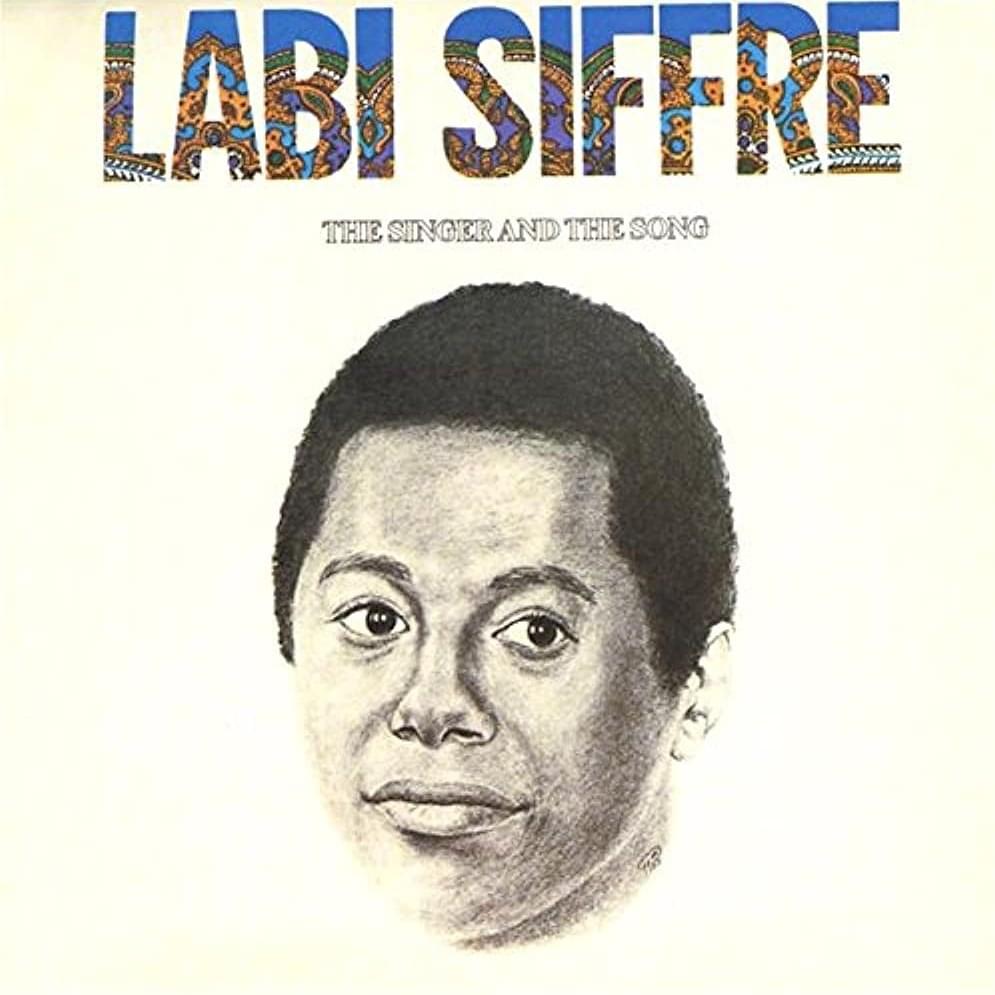
 View Artist