Song Meaning
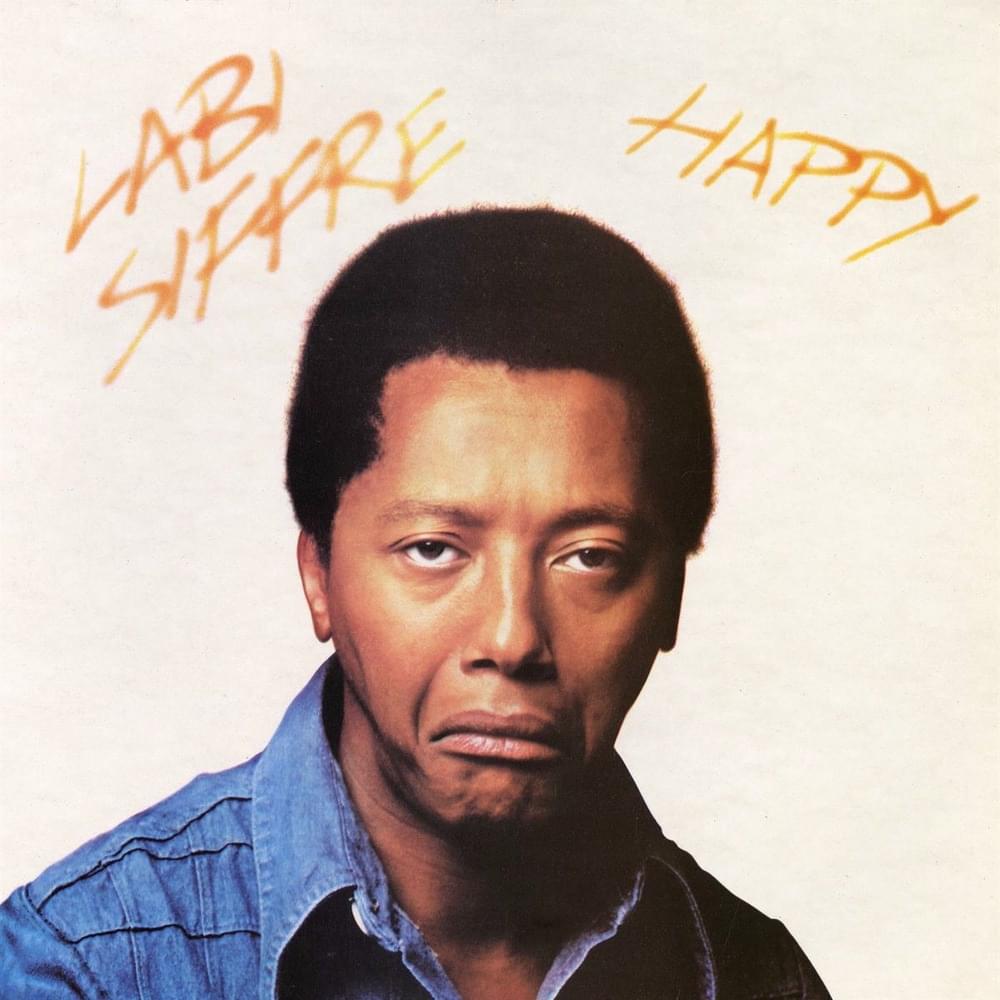
Labi Siffre's "Doctor Doctor" isn't your typical lovesick plea; it's a darkly comedic exploration of obsession, self-deception, and the desperate search for a cure to a broken heart. The song meaning hinges on the narrator's awareness of his lover's flaws ("Ya see I know she's a whore / But I love her even more"), yet he remains helplessly infatuated. This admission reveals a psychological complexity: he's not simply blinded by love, but actively choosing to ignore the red flags, perhaps finding a twisted comfort in the drama. The repeated cries of "Doctor Doctor" aren't just a call for medical intervention, but a desperate yearning for someone to alleviate his emotional pain, even if it requires drastic measures. The request to have his heart replaced with "lumber wood" is a stark metaphor for emotional detachment, a desire to become numb to the pain of unrequited or destructive love.
The brilliance of "Doctor Doctor" lies in its subversive wit. The narrator's initial request for help takes a sharp turn when he rebukes the doctor's assumptions, highlighting the absurdity of seeking a simple fix for complex emotions. The line "No, not that one / You got a dirty mind" suggests a playful cynicism, a recognition that even the medical profession is not immune to base instincts and misinterpretations. This adds a layer of social commentary, hinting at the societal tendency to reduce complex emotional issues to simplistic diagnoses.
The song's resolution, where the doctor offers to "take her place," introduces a bizarre twist that underscores the desperation of the narrator. His enthusiastic "yes" is both shocking and darkly humorous. The final verses, however, offer a glimmer of self-awareness and empowerment. He realizes that he can keep his heart and gain something valuable – "the song." This suggests that even in the throes of heartbreak, there is potential for artistic expression and personal growth. The final lines offer advice to others in similar situations, encouraging them to seek help, perhaps even from a "lady doctor," implying a fresh perspective and a more empathetic approach to healing from "lover's disease."
 View Artist