Song Meaning
A chance encounter on a morning stroll brings a wave of childhood nostalgia, immediately contrasting the perceived endlessness of youth with the relentless march of adult time. The lyrics paint a picture of a friend who has clearly weathered life’s storms, prompting a reflection on how drastically circumstances can change. The narrator, while claiming things are going well for themselves, acknowledges a profound distance from that past innocence.
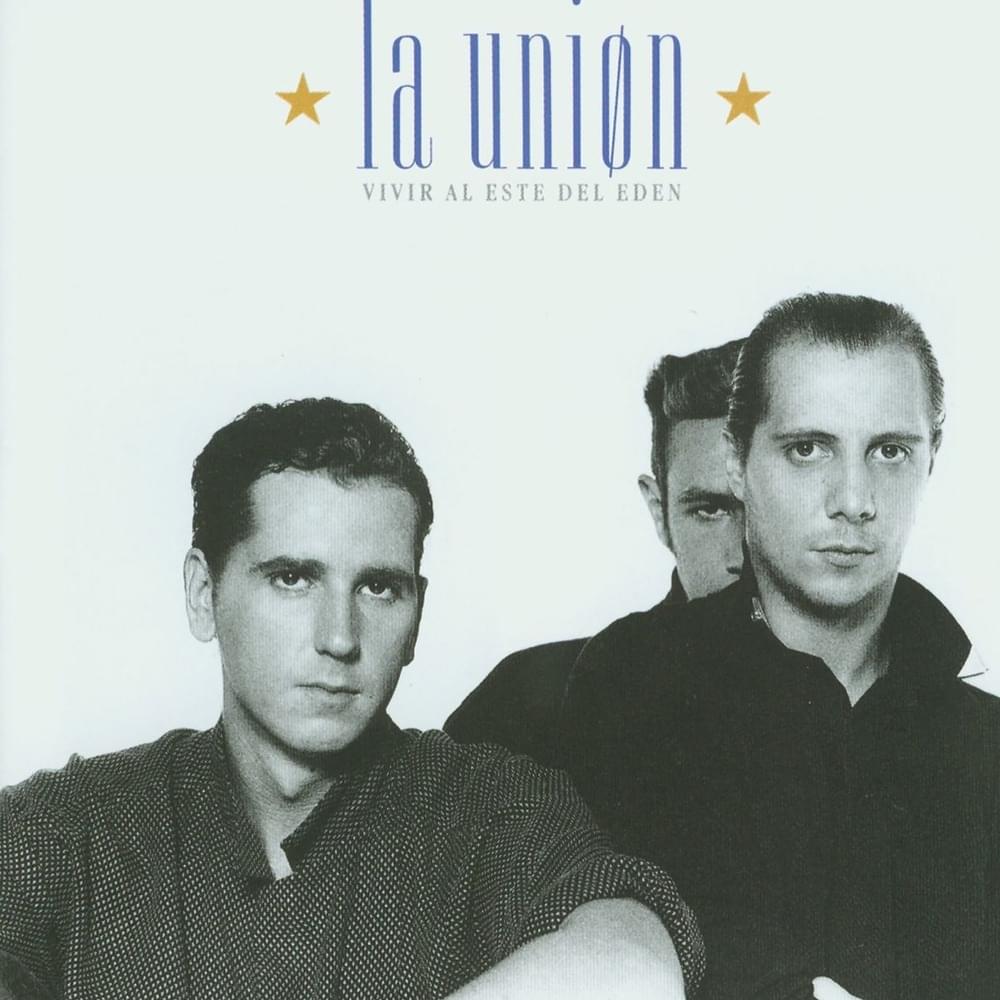
The core tension lies in this bittersweet realization: the carefree days of childhood are irrevocably lost, a paradise left behind. The phrase "al este del Edén" suggests a life lived outside that perfect, untroubled state, perhaps a more mundane or challenging reality. It’s a subtle but powerful framing of the present as a place fundamentally different from the remembered past.
The most striking element is the morning's transformative power. The lyrics describe how the "aire en la mañana" possesses a unique ability to dissolve anxieties. Doubts that felt overwhelming and dark the night before are reduced to "simples tontería" by the clarity of daylight, offering a temporary but potent respite from inner turmoil.
This effectiveness stems from its relatable depiction of how perspective shifts with time and circumstance. The contrast between the perceived "eternas las tardes" of youth and the fleeting "meses y años para no volver" resonates deeply. The morning's cleansing effect provides a moment of grace, highlighting the enduring human capacity to find solace even when acknowledging what has been lost.
 View Artist