Song Meaning
The narrator opens by questioning the very structures of authority and control, asking "Who put these barriers up?" and "Who made the police?" This immediately establishes a defiant stance against imposed limitations. The core of this rebellion is articulated in the chorus: a rejection of official identification, a "vomitive with my name on paper," asserting that such documents are unnecessary, even to the point of crude self-sufficiency. The repeated phrase "Nací sin el carnet" – born without the ID – becomes a badge of honor, a declaration of inherent freedom from societal gatekeeping.
The lyrics then detail a persistent feeling of being an outsider, "always despised by the smart ones of the nation." This perceived ostracization fuels a rejection of conventional citizenship and a dismissal of external judgment: "I am not a citizen, I don't care about your opinion." The narrator challenges a supposed supporter to prove their affection through action, demanding a radical shedding of pretense and a commitment to hard, unglamorous labor, suggesting that true value lies in effort rather than status.
The most striking aspect of the writing is its raw, confrontational language, particularly in the chorus's dismissal of official documents and the outro's blunt rejection of nationalistic and religious platitudes. The phrase "cago muy bien" (I shit very well) is a visceral assertion of bodily autonomy and natural function, directly contrasting with the artificiality of the "paper" ID. Similarly, the final "¡Y un cojón!" (And a damn thing!) is a potent, vulgar dismissal of revered societal pillars like patriotism, religion, work, and family, framing them as manipulative constructs.
This lyrical approach is effective because it weaponizes vulgarity and directness to dismantle abstract systems of power and belonging. The narrator's refusal to be defined by external validation, coupled with their embrace of a self-defined identity rooted in natural existence and honest labor, creates a powerful anti-establishment anthem. The raw emotion and unapologetic tone resonate by giving voice to a deep-seated frustration with societal expectations and bureaucratic control.
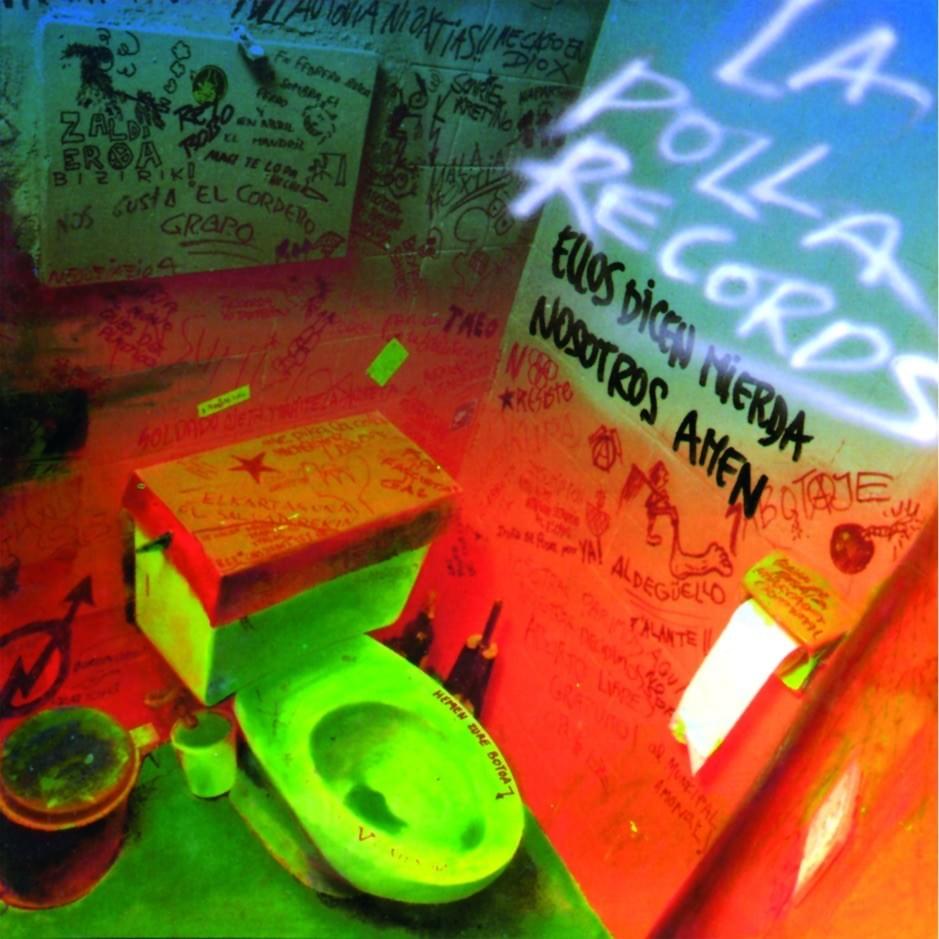
 View Artist