Song Meaning
The lyrics paint a picture of someone grappling with the aftermath of betrayal and lost love. The opening lines reveal a painful realization: "alguien ha jugado mi papel," suggesting a replacement or someone who has taken the narrator's place in a relationship. This is met with a sense of regret, "Nunca lo quise ver," indicating a willful ignorance of the signs. The distance created by this revelation is palpable, with "cosas que quedaron por decir" now "a kilómetros de aquí," emphasizing the unbridgeable gap that has formed.
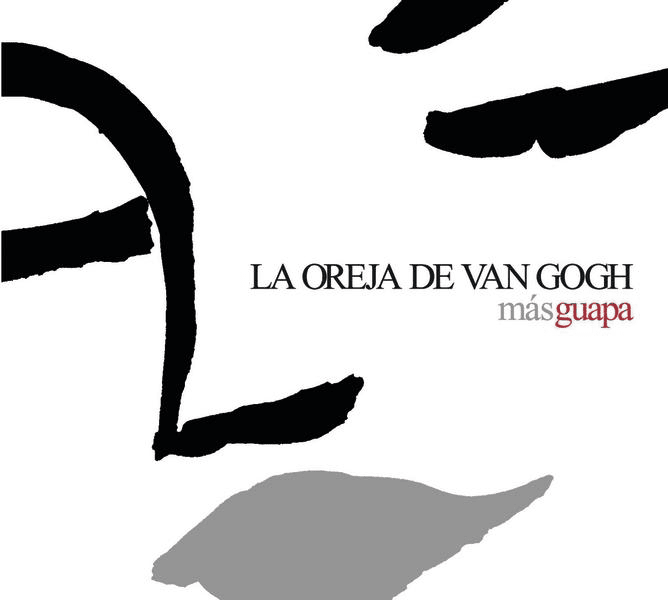
The core of the emotional conflict lies in the inability to move past the hurt. The narrator states, "Ni siquiera te puedo odiar," highlighting a lingering attachment that prevents outright animosity. Instead, the focus shifts to memory, "Solamente puedo recordar," which becomes a burden. This is powerfully captured in the recurring image of "El peso de una nube de color gris," a persistent, melancholic presence that mirrors the narrator's internal state. This "nube" is sentient, "sabe cuando pienso en ti," and reactive, "llora cada vez que no estoy feliz," personifying the overwhelming sadness that accompanies thoughts of the past relationship.
The struggle to progress is evident in the repetitive actions of "voy andando sin parar" and "voy pensando en avanzar," yet these efforts are met with an inability to express grief, "Y no puedo llorar." This internal block suggests a deeper emotional paralysis. The narrator is forced to "acostumbrar / Mi vida a vivir sin su mitad," accepting a solitary existence "Solita una vez más." The persistent gray cloud serves as a constant reminder of this emotional weight, underscoring the difficulty of finding solace or moving forward when the past continues to cast such a long, somber shadow.
 View Artist