Song Meaning
This track is a pure celebration of rhythm and dance, centered around the narrator's 'primera rumba' – their first rumba. The lyrics pulse with an infectious energy, driven by the insistent beat of the orchestra and the narrator's own captivating rhythm. It's an invitation to let loose, with the repeated phrase "que me brindo yo a usted" suggesting a generous offering of this vibrant musical experience to the listener or a specific person. The world, it seems, is clamoring for this very sound, as "el mundo entero pide rumba."
The core of the song lies in this unadulterated joy and the power of music to move people. The narrator isn't just performing; they are actively sharing their passion, "cantando mi primera rumba" and "bailo yo, mi rumba." There's a sense of pride and accomplishment in presenting this 'first rumba,' making it a significant moment of self-expression and connection through dance. The repeated calls for the "bongo" to play emphasize the percussive heart of the music, the engine that drives the entire celebration.
The craft here is in its directness and repetition. Phrases like "Rumba, rumba te canto" and "Rumba que rumba bailo yo" create a hypnotic effect, mirroring the trance-like state of dancing. The simple, declarative statements build an atmosphere of pure, uninhibited fun. The structure, with its recurring chorus and chanted lines, feels like a call-and-response, drawing the listener directly into the party. It’s designed to make you feel the beat and want to join in, no matter where you are.
Ultimately, the effectiveness of these lyrics stems from their uncomplicated, exuberant embrace of music and dance. The narrator's enthusiasm is palpable, making the "primera rumba" feel like a momentous occasion. It’s a testament to the universal language of rhythm, a pure expression of wanting to share a good time and a great beat with everyone, "A toda mi gente le canto."
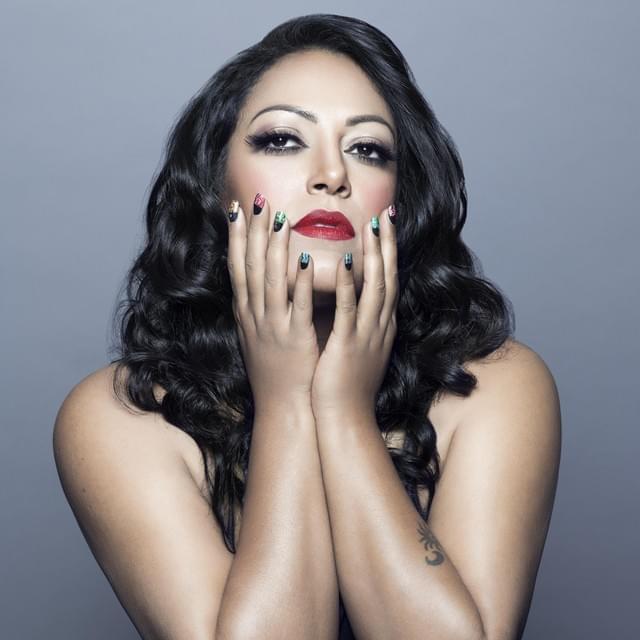
 View Artist