Song Meaning
The lyrics paint a stark picture of destitution, where even basic sustenance is absent, symbolized by the absence of "croquetas" and a "triste y vacía" (sad and empty) pot. The narrator feels a profound lack of motivation, stating "No me apetece buscarme la vida" (I don't feel like looking for a living), and seems resigned to their fate, even suggesting the addressee search for a living themselves. This bleak reality is contrasted sharply with the presence of a specific person.
The central tension lies in the narrator's complete dependence on this person's memory for sustenance and well-being. While the external world offers nothing – shadows eaten by rats, an empty pot, a lack of drive – the "recuerdo" (memory) of the addressee "me alimenta" (feeds me). This person is not just a comfort but a literal source of life, described as the "única riqueza" (only wealth), the "fuente principal de vitaminas, Minerales, proteínas" (main source of vitamins, minerals, proteins), and the "copa y puro de sobremesa" (after-dinner drink and cigar).
The writing employs vivid, if bleak, imagery to convey the narrator's state. They are a "naufrago en una palangana" (castaway in a washbasin), a powerful metaphor for being overwhelmed by a trivial situation, highlighting their helplessness. The line "No hay mensaje en mi botella" (There's no message in my bottle) further emphasizes a sense of isolation and hopelessness, suggesting no cry for help can reach anyone or that there's nothing left to say.
This lyrical construction is effective because it grounds abstract emotional dependence in concrete, visceral needs. The narrator isn't just lonely; they are starving, and the memory of their loved one is their only nourishment. The contrast between the literal emptiness of their surroundings and the richness the addressee represents creates a poignant, almost desperate, declaration of love and reliance.
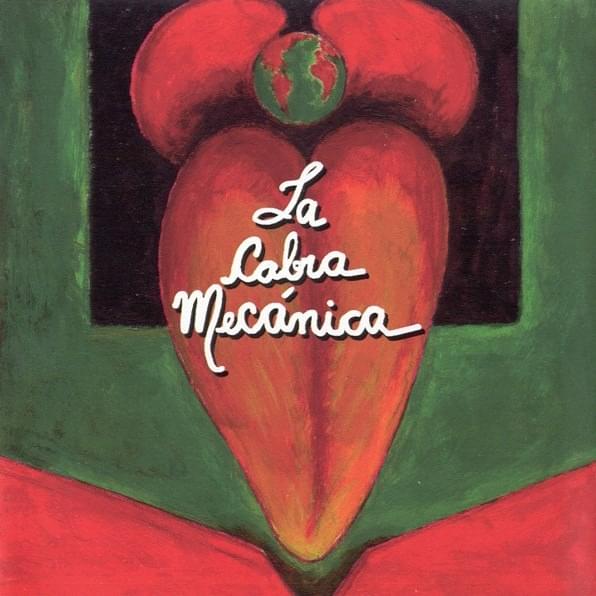
 View Artist