Song Meaning
These lyrics plunge us into a scene of raw defiance and urgent conflict. A betrayal has occurred, and the speaker, alongside their group, is ready to retaliate. The dominant feeling is one of aggressive determination, fueled by a deep-seated need to protect what's theirs.
The central tension here lies between a past wrong and an immediate, visceral call to action. The opening line, "Bannis sont ceux qui nous ont trahi," immediately establishes a clear enemy and a firm condemnation. This isn't just anger; it's a declaration of exile, suggesting a profound breach of trust that demands a forceful response. The narrator's personal stake is clear: "Je défends mon foyer car c'est comme ça que je suis taillé," revealing an inherent, almost genetic, drive to protect their home.
The craft truly shines in the stark contrast between this ingrained sense of duty and the raw, unvarnished urgency that follows. The expletive-laden "Putain faut qu'on les finisse" cuts through any pretense, conveying a desperate, no-holds-barred resolve. This isn't a calculated move; it's a gut reaction to an intolerable situation. The shift from individual resolve to collective vigilance, "On reste aux aguets," underscores the constant threat and the shared burden of survival.
Ultimately, what makes these lyrics so effective is their unflinching honesty and directness. The language is stripped down, devoid of elaborate metaphor, making the emotional stakes feel incredibly real. The underlying motivation, "On veut sortir de la merde," reveals a profound weariness and a desire for liberation that makes the aggression feel less like gratuitous violence and more like a desperate fight for survival. It's a powerful snapshot of a group pushed to its limits, ready to do whatever it takes.
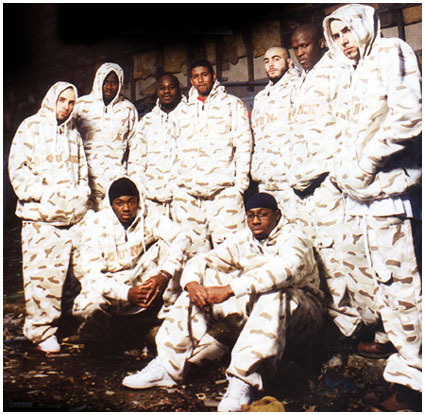
 View Artist