Song Meaning
The lyrics paint a picture of a scene that feels both performative and slightly absurd. The narrator observes a crowd seemingly dedicated to a dark, perhaps ironic, figure or idea, noting, "Everyone seem to be singin' for Satan." This sets a tone of detached amusement, as the narrator finds the whole spectacle laughable. The second verse continues this observation, focusing on the superficiality of the crowd's appearance with a jab at their "manly lookin' crew" and teased hair, contrasting it with a more personal, provocative interaction: "I'd rather sit here, teasin' you." This establishes a dynamic where the narrator feels outside the main event, choosing to engage with someone directly rather than get swept up in the collective.
The central tension arises from this contrast between the external, performative energy of the group and the narrator's internal, more intimate focus. The chorus, "Won't you writhe like snakes down on the floor?" is a strange, almost primal invitation, suggesting a loss of control or a surrender to instinct within this gathering. The phrase "Out you go and in come one hundred and more" implies a relentless, perhaps overwhelming, influx of people or energy, further emphasizing the chaotic and possibly superficial nature of the scene the narrator is witnessing and choosing not to fully join.
The lyrics introduce a curious, almost surreal domesticity in the third verse, mentioning lost "cowboy boots" and a "sewing machine." This detail feels out of place with the earlier imagery, creating a jarring shift. It suggests a grounding in mundane reality that clashes with the wilder, more performative elements described. The subsequent verse, however, pivots sharply back to a deeply personal and romantic sentiment, where "all these roads I turn for you" and "your kiss makes it worth the ride." This unexpected turn highlights a profound personal connection that outweighs the strange spectacle observed earlier.
Ultimately, the effectiveness of these lyrics lies in their unexpected juxtapositions and the narrator's cool, observational stance. The shift from sardonic commentary on a crowd to intimate declarations of affection creates a compelling emotional arc. The imagery, from "singin' for Satan" to "writhe like snakes" and then to the specific detail of "cowboy boots," builds a unique, slightly disorienting world. This world is held together by the narrator's voice, which navigates between detached critique and heartfelt devotion, making the personal connection feel even more significant against the backdrop of the bizarre scene.
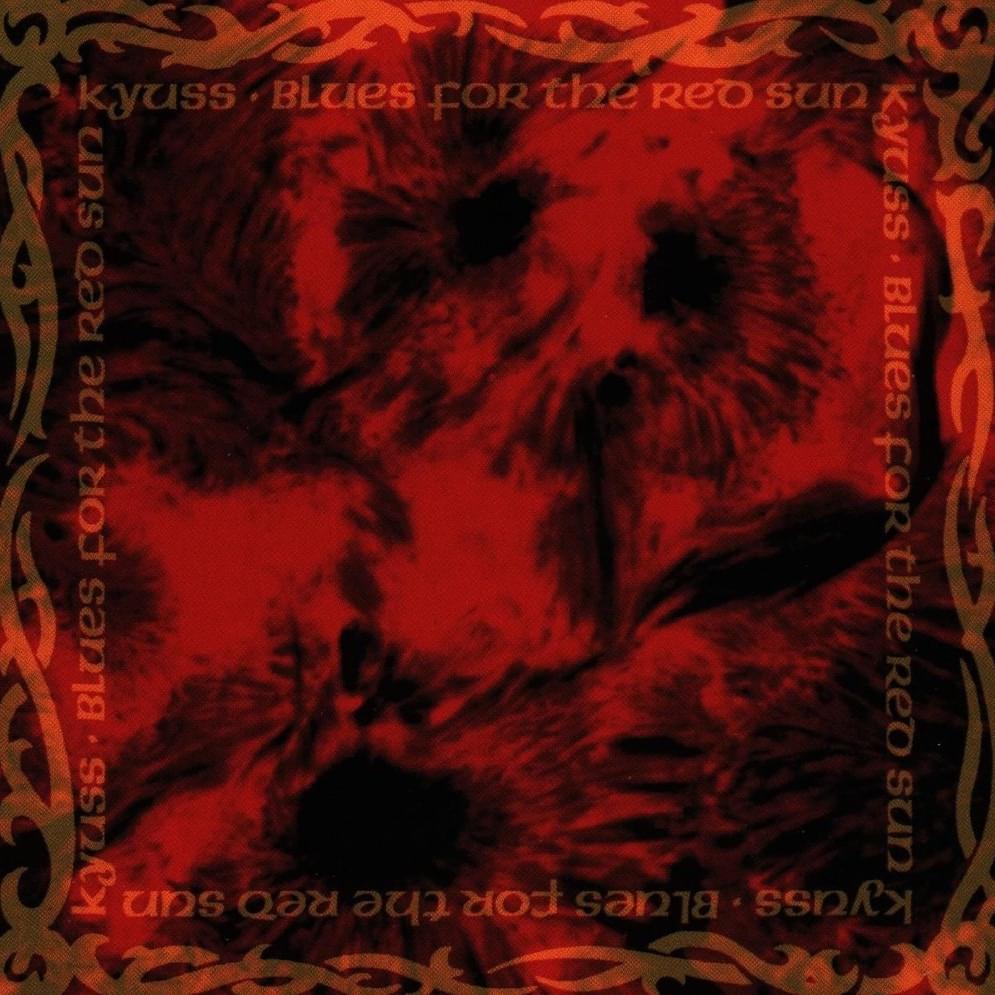
 View Artist