Song Meaning
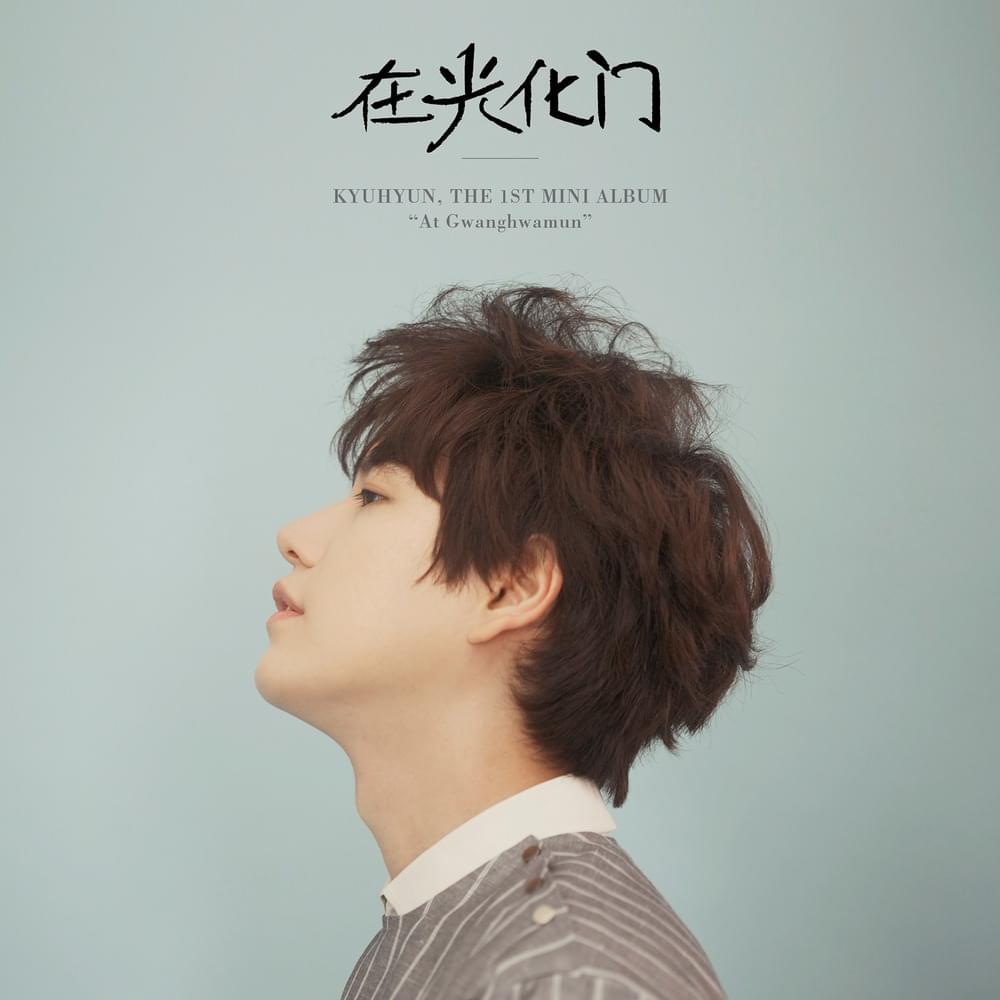
The lyrics paint a vivid picture of lingering heartbreak at a specific, now-changed location. The narrator is stuck in time, replaying memories of a past summer romance at the Gwanghwamun intersection, while the world moves on and seasons change. The contrast between the vibrant past and the desolate present is stark, with fallen leaves and the narrator's own transformation highlighting the passage of time and the finality of the separation. The central emotional tension lies in the narrator's inability to let go, evidenced by their continued, futile waiting and the repeated imagery of looking back. This persistent hope, despite knowing the person won't return, creates a poignant sense of longing and self-deception. The craft here is in the juxtaposition of sensory details: the "燦爛的眼神" (brilliant eyes) and "擁有了全世界" (possessed the whole world) of the past versus the "大雨 淋透我的心" (heavy rain soaking my heart) and the "變了樣的自己" (changed self) of the present. The lyrics suggest that the narrator is clinging to the idea of happiness they once felt, believing that if they were happy then, they must be happy now, even if it's a manufactured happiness tied to a place and a memory. This creates a profound sense of melancholy, where the narrator finds a strange comfort in the pain, returning to the "光化門路口" (Gwanghwamun intersection) to feel close to a past that is irrevocably gone. The final declaration of "我很幸福" (I am very happy) feels less like a genuine statement and more like a desperate attempt to convince themselves, a final echo of a feeling they can no longer truly access. The effectiveness comes from this raw, almost stubborn refusal to move on, making the narrator's pain palpable and the memory of lost love feel intensely personal and enduring.
 View Artist