Song Meaning
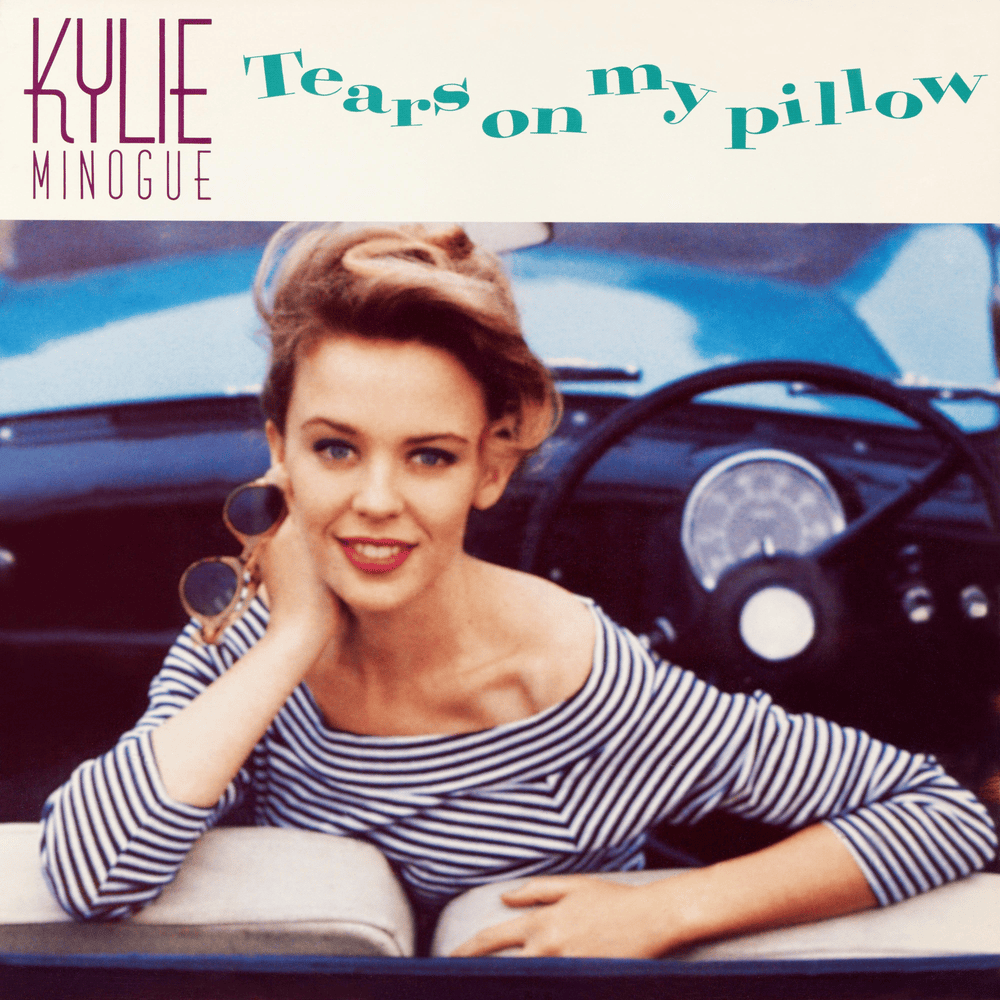
Kylie Minogue's "Tears on My Pillow" isn't just another heartbreak anthem; it's a masterclass in minimalist emotional exposure. The song's deceptive simplicity—raw, almost childlike lyrics paired with a straightforward melody—belies a sophisticated understanding of longing and the cyclical nature of pain. The opening lines, "You don't remember me / But I remember you," immediately establish a power imbalance, a one-sided obsession that fuels the entire narrative. It's the quintessential story of unrequited or, perhaps more accurately, casually discarded love, where one person's fleeting encounter leaves the other permanently scarred. The listener is drawn into the stark reality of being utterly unforgettable to oneself, yet utterly forgotten by the object of one's affection. This disconnect is the engine driving the song's melancholic core.
The chorus, a repetitive mantra of "Tears on my pillow / Pain in my heart / Caused by you," serves as both a lament and a form of self-flagellation. It's a raw admission of vulnerability, stripping away any pretense of strength or resilience. The simplicity of the language amplifies the emotional impact; there are no flowery metaphors or complex narratives, just pure, unadulterated pain. The repetition mirrors the obsessive thoughts and feelings that often accompany heartbreak, the relentless replay of a painful memory. It's the sonic equivalent of staring at a photograph of your ex, unable to look away despite the agony it causes.
But "Tears on My Pillow" hints at something deeper than mere sadness. The verse that interrupts the cycle of heartbreak speaks to the very nature of love itself: "Love is not a gadget / Love is not a toy." This interlude elevates the song beyond a simple tale of woe, transforming it into a commentary on the disposability of modern relationships. It suggests a yearning for a more profound, meaningful connection, one that transcends the superficiality and fleeting nature of contemporary romance. The final, repeated assertion, "Caused by you," borders on accusatory, but it's ultimately an acknowledgement of the other person's power, the enduring impact they've had on the singer's emotional landscape. The song meaning resonates with anyone who's grappled with the uneven terrain of love and loss.
 View Artist