Song Meaning
Kylie Minogue's "Better the Devil You Know" isn't just a dance-pop confection; it's a masterclass in the psychology of compromise. The song's core concept, that familiar pain trumps the unknown, resonates with a primal human instinct: fear of the unpredictable. Minogue isn't singing about blissful love; she's dissecting the messy reality of choosing between the flawed comfort of a known partner and the terrifying prospect of starting over. It's the devil you know versus the potential paradise (or hell) you don't. The driving beat and Minogue's seemingly carefree delivery create a fascinating tension with the lyrical content, highlighting the cognitive dissonance at play when we rationalize staying in less-than-ideal situations. We hear the lyrics, we move to the beat, and on some level, we recognize the uncomfortable truth about our own compromises.
The genius of "Better the Devil You Know" lies in its unflinching portrayal of this flawed logic. The repetition of the title phrase acts as both a mantra and a confession, underscoring the speaker's awareness of her own self-deception. The verses, pleading "Say you won't leave me no more / I'll take you back again," reveal a vulnerability masked by the song's upbeat tempo. There's a subtle desperation in the willingness to forgive and forget, a tacit admission that any connection, however damaged, is preferable to the void of loneliness.
Ultimately, "Better the Devil You Know" isn't a celebration of toxic relationships; it's an exploration of why we tolerate them. The song’s enduring appeal stems from its unflinching examination of our own psychological vulnerabilities. Kylie Minogue doesn't offer easy answers or judgment. Instead, she gives us a glittering, danceable mirror reflecting the complex calculations we make in the name of love and fear.
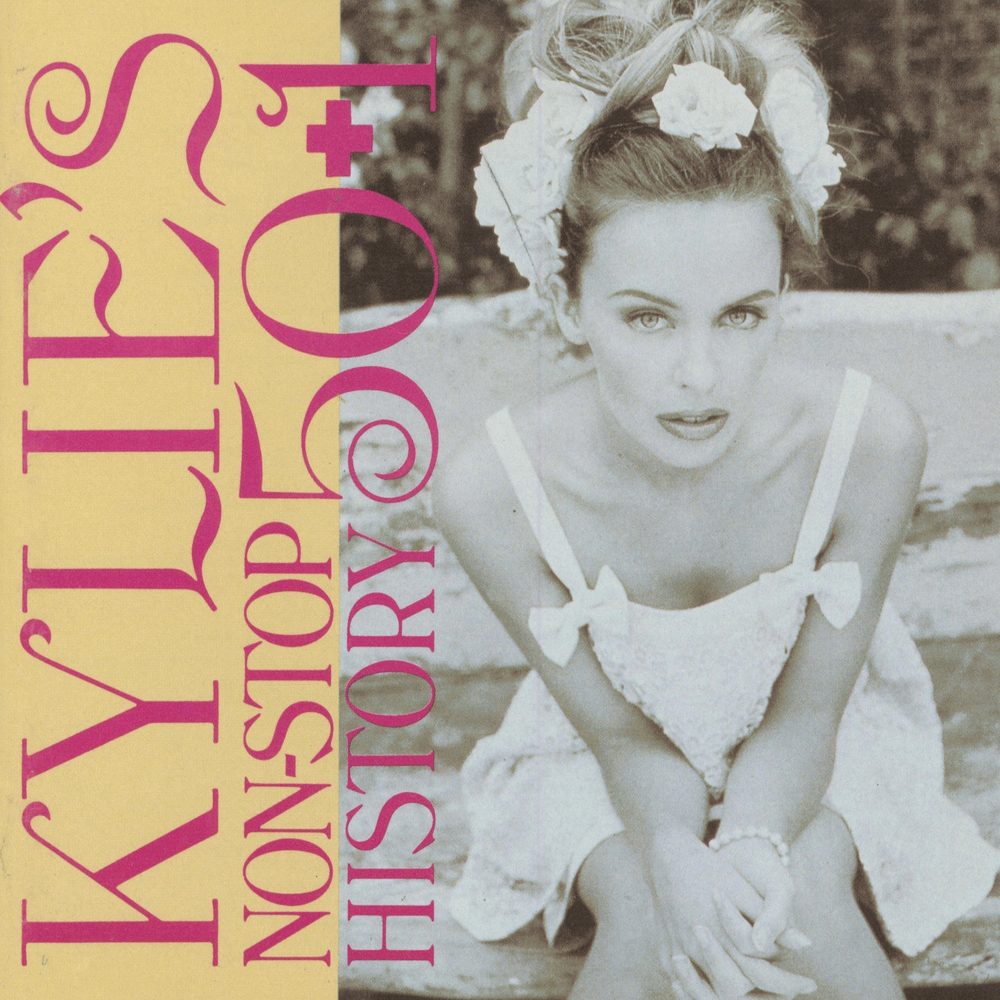
 View Artist